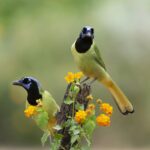
Watching birds gather around your backyard feeder is one of the simple pleasures of birdwatching. Chickadees dart in for sunflower seeds, cardinals perch nearby waiting for their turn, and goldfinches gather around their favorite feeding ports.
But while it’s easy to remember to refill a bird feeder, cleaning it regularly is just as important.
Over time, bird feeders collect seed hulls, droppings, moisture, and food residue. When these materials accumulate, they can create conditions that allow harmful bacteria, fungi, and other pathogens to spread among visiting birds.
For most seed and suet feeders, cleaning every one to two weeks is a good starting point. Hummingbird feeders need more frequent attention, generally every couple of days and sometimes daily during hot weather.
However, the ideal cleaning schedule depends on the type of feeder, weather conditions, how many birds visit, and whether the food has become wet or spoiled.
The good news is that cleaning a bird feeder usually takes only a few minutes, especially when you choose a design that’s easy to disassemble.
Here’s how often to clean different types of bird feeders, the safest ways to wash and disinfect them, and how to keep your backyard feeding station healthier for the birds that visit.
🐦 Why Is Cleaning Bird Feeders Important?
Bird feeders bring wild birds together in relatively small spaces.
In nature, birds often forage across large areas, searching trees, shrubs, grasses, and other vegetation for food.
At a feeder, however, numerous birds may visit the same perches, feeding ports, and trays throughout the day.
This concentration of activity creates opportunities for infectious diseases to spread.
According to the Cornell Lab of Ornithology’s Project FeederWatch, pathogens can pass between birds through contaminated food, droppings, and contact with shared surfaces.
Some diseases spread when birds consume food contaminated with feces. Others can spread through contact with discharge from infected eyes or other affected tissues.
Old seed, accumulated hulls, and moisture can make the situation worse.
When birdseed becomes damp, fungi and other microorganisms may grow. Food that sits in a feeder for an extended period can also deteriorate.
Regular cleaning removes the debris that can harbor pathogens and helps keep food fresh.
Although cleaning cannot eliminate every disease risk associated with feeding wild birds, it is an important part of responsible backyard birdwatching.
📅 How Often Should Different Bird Feeders Be Cleaned?
Different types of feeders require different levels of maintenance.
Seed feeders generally need less frequent cleaning than feeders containing sugar water or fresh fruit.
The following schedule provides a practical starting point.
| Feeder type | Suggested cleaning frequency |
|---|---|
| Tube seed feeder | Every 1–2 weeks |
| Hopper feeder | Every 1–2 weeks |
| Platform or tray feeder | Weekly or more often |
| Suet feeder | Every 1–2 weeks |
| Nyjer or finch feeder | Every 1–2 weeks |
| Window bird feeder | Weekly or more often |
| Hummingbird feeder | Every 1–2 days in hot weather; every 2–3 days otherwise |
| Fruit or jelly feeder | Daily or more often in warm weather |
| Bird bath | Refresh water every 1–2 days; scrub weekly |
These are general guidelines rather than rigid rules.
Project FeederWatch recommends cleaning seed and suet feeders approximately every week or two, with more frequent cleaning during wet weather or heavy use.
Its current hummingbird guidance recommends cleaning nectar feeders every couple of days and more often when temperatures are high.
Tray and platform feeders may require closer attention because birds can walk directly on the feeding surface and leave droppings among the food.
Regardless of the schedule, clean any feeder immediately if you notice mold, spoiled food, significant droppings, or other contamination.
🌻 How Often Should You Clean a Seed Bird Feeder?
For most traditional seed feeders, cleaning every one to two weeks is a good routine.
This includes many tube feeders, hopper feeders, and other designs that hold sunflower seeds, safflower, millet, or mixed birdseed.
Cornell’s Project FeederWatch recommends this interval because seed hulls, food residue, and bird droppings can accumulate even when the feeder appears reasonably clean.
A busy feeder may need more frequent attention.
For example, if dozens of finches visit the same feeding ports every day, the surfaces may become dirty more quickly than those on a feeder visited only occasionally.
Rain and humidity also matter.
If water enters the feeder, seed can become damp and clump together.
Wet seed should be discarded promptly rather than left inside until the next scheduled cleaning.
When cleaning a seed feeder, empty all remaining food, remove accumulated debris, and wash accessible components thoroughly.
Make sure the feeder dries completely before refilling.
If you are feeding birds during a particularly wet or humid period, checking the feeder every few days can help you recognize problems before they become serious.
🥜 How Often Should You Clean a Suet Feeder?
Suet feeders should generally be cleaned every one to two weeks, although they may need more frequent attention during warm weather.
Suet is a high-energy food that attracts woodpeckers, chickadees, nuthatches, and several other backyard birds.
Many commercially prepared suet cakes contain rendered fat mixed with seeds, grains, nuts, or other ingredients.
Although suet can be useful for birds, it can also become messy when exposed to warm temperatures.
Softened suet may leave greasy residue on the feeder cage.
Food particles can become trapped in the metal openings, especially when several birds feed from the same cake.
During hot weather, some suet products may soften, melt, or spoil.
If your feeder develops a greasy coating or the food shows signs of deterioration, clean it immediately.
Remove remaining suet and scrub the feeder using warm water and mild dish soap.
Rinse away the grease and detergent thoroughly before drying.
Avoid leaving softened or rancid suet available to birds.
You may also want to use products specifically formulated for warmer weather or temporarily switch to other appropriate foods when temperatures become very high.
🐦 How Often Should You Clean a Platform Bird Feeder?
Platform feeders deserve particular attention because birds stand directly on the surface where food is offered.
Unlike some tube feeders, where birds perch outside the seed reservoir, a platform feeder allows birds to walk through scattered seed.
This makes it easier for droppings and other contaminants to mix with the food.
Rainwater can also collect on flat surfaces when drainage is inadequate.
For these reasons, inspecting platform feeders daily and cleaning them at least weekly is a sensible approach.
Clean them more frequently when bird traffic is heavy or conditions are wet.
If you discover droppings among the seed, discard the affected food and clean the surface rather than simply adding fresh seed on top.
Choose a platform feeder that allows water to drain and is easy to scrub thoroughly.
Removable trays and washable surfaces can make maintenance much easier.
Project FeederWatch also notes that tray feeders deserve special consideration when diseases spread through contaminated droppings.
If birds showing signs of illness begin visiting, temporarily retiring the tray feeder may be appropriate while you follow current wildlife-health guidance.
🌺 How Often Should You Clean a Hummingbird Feeder?
Hummingbird feeders require more frequent cleaning than most seed feeders because they contain sugar water.
Sugar water can support the growth of microorganisms, particularly when temperatures are warm.
It may also begin fermenting, making the nectar unsuitable for hummingbirds.
Project FeederWatch recommends cleaning hummingbird feeders every couple of days, ideally whenever they are refilled.
Audubon recommends cleaning them every two to three days under moderate conditions and daily or every other day during particularly hot weather.
For a simple household routine, aim to clean and refill your hummingbird feeder every two to three days in mild weather and daily during very hot conditions.
Never leave nectar in the feeder until it becomes visibly cloudy.
If you notice cloudiness, dark spots, floating particles, or an unusual smell, discard the nectar and clean the feeder immediately.
Pay particular attention to feeding ports, artificial flowers, and narrow reservoir openings.
These areas can harbor residue that is difficult to remove without a small brush.
Choose a hummingbird feeder that comes apart completely.
A design with simple, accessible components is usually easier to keep clean than one with narrow passages or complicated decorations.
When making fresh nectar, use four parts water to one part plain white granulated sugar. Do not add red food coloring, honey, or artificial sweeteners.
Remember that fresh nectar is only beneficial when the feeder holding it is clean.
🪟 How Often Should You Clean a Window Bird Feeder?
Window feeders can be wonderful for watching birds up close, but they also need regular cleaning.
Many window feeders use a small platform or tray that allows birds to stand directly on the feeding surface.
Because the feeding area is compact, seed hulls and droppings can accumulate quickly.
Inspect the feeder daily and clean it at least once a week, or more frequently during heavy use.
Remove old seed, wash the tray thoroughly, and dry it before refilling.
Also check the feeder’s attachment points.
Suction cups and other mounting components can collect dirt that interferes with their grip.
Follow the manufacturer’s instructions for cleaning these parts.
If your window feeder includes an electronic camera, remove or protect electronic components before washing the feeder.
Never submerge electronics unless they are specifically designed for that purpose.
Keeping the feeding tray clean is especially important because birds may return to the same small surface repeatedly throughout the day.
For more information about this feeder style, see How to Attract Colorful Birds to Your Backyard With a Window Feeder.
🍊 How Often Should You Clean Fruit and Jelly Feeders?
Some backyard birds enjoy foods that aren’t commonly offered in traditional seed feeders.
Orioles, tanagers, and certain other species may visit feeders containing fruit or small amounts of grape jelly.
However, these foods can spoil more quickly than dry birdseed.
Fresh fruit exposed to warm weather may deteriorate, attract insects, or begin fermenting.
Jelly can also become contaminated when birds repeatedly visit the same container.
Check these feeders daily and replace uneaten food promptly.
During hot weather, you may need to remove old food and clean the feeder more than once a day.
Avoid leaving large quantities of fruit or jelly outdoors for extended periods.
Offer small portions that birds are likely to consume quickly.
Wash the feeding surfaces thoroughly before adding fresh food.
If you notice mold, fermentation, or significant insect contamination, discard the food and clean the feeder immediately.
🌧️ Should You Clean Bird Feeders More Often After Rain?
Yes. Wet weather is one of the most important reasons to clean bird feeders more frequently.
Rainwater can enter seed reservoirs, especially when feeders have inadequate drainage or are positioned in exposed locations.
Once birdseed becomes damp, it may clump together and begin deteriorating.
Warm, humid conditions can accelerate the growth of mold and other microorganisms.
Even feeders with roofs or protective covers may develop moisture problems during prolonged rain.
After a storm, inspect your feeders for wet seed, blocked drainage openings, and accumulated debris.
If the seed is soaked, clumped, moldy, or smells unusual, discard it.
Clean and dry the feeder thoroughly before refilling.
During especially rainy periods, you may find that weekly cleaning is more appropriate than waiting two weeks.
Positioning feeders in sheltered locations can help reduce water exposure, but feeders should still have adequate ventilation and drainage.
For guidance on choosing a suitable location, see The Best Places to Hang Your Bird Feeder for Maximum Bird Watching.
🧽 How to Clean a Bird Feeder Step by Step
Cleaning a bird feeder is usually straightforward, particularly when the feeder can be taken apart.
Project FeederWatch recommends removing debris, washing with warm water and dish soap, rinsing thoroughly, and allowing the feeder to dry completely.
Step 1: Empty the Feeder
Start by removing all remaining seed, suet, or other food.
Discard old food rather than pouring it back into your storage container.
This prevents potentially contaminated material from mixing with a fresh supply.
If the food is damp, moldy, or otherwise spoiled, dispose of it where birds and other animals cannot reach it.
Step 2: Take the Feeder Apart
Disassemble the feeder according to the manufacturer’s instructions.
Remove detachable trays, lids, perches, feeding ports, and other washable components.
Taking the feeder apart makes it easier to reach areas where food residue and droppings may accumulate.
Avoid forcing components that aren’t designed to be removed.
Step 3: Remove Loose Debris
Use a soft brush to remove seed hulls, dust, droppings, and other loose material.
Pay attention to corners, feeding openings, and narrow spaces.
Project FeederWatch recommends wearing gloves when handling feeders and a mask when sweeping or raking debris beneath feeding stations.
Working outdoors or in a suitable utility area can also help keep bird-feeder debris away from household food-preparation surfaces.
Step 4: Wash With Warm Soapy Water
For seed and suet feeders, scrub washable parts thoroughly with warm water and mild dish soap.
Use a bottle brush or small cleaning brush to reach narrow openings.
Remove visible food residue from the surfaces where birds perch or feed.
Some feeders are dishwasher-safe, but others may be damaged by dishwasher heat or detergents.
Check the manufacturer’s instructions before using a dishwasher.
For hummingbird feeders, Project FeederWatch also recommends warm water and dish soap followed by thorough rinsing, although some other bird-care organizations prefer hot water and a brush without detergent. Follow a reliable method appropriate for your feeder and ensure no cleaner remains.
Step 5: Disinfect When Appropriate
Washing removes food residue and many contaminants, but disinfecting may provide additional protection, particularly when disease is a concern.
Project FeederWatch recommends an optional disinfecting procedure using one part household bleach to nine parts water, with a 10-minute soak after the feeder has been cleaned.
This is a stronger bleach dilution than many ordinary household cleaning mixtures, so it should be handled carefully.
Use appropriate gloves, good ventilation, and only products compatible with the feeder material.
Never mix bleach with vinegar, ammonia, or other cleaning products.
Rinse thoroughly after disinfecting.
Disinfecting is not a substitute for removing dirt and debris first.
Step 6: Rinse Thoroughly
After washing or disinfecting, rinse all feeder components with clean water.
Make sure no soap, bleach, or other cleaning product remains inside the food reservoir or feeding ports.
Pay special attention to small openings where liquid may become trapped.
Step 7: Let Everything Dry Completely
Allow the feeder to air-dry completely before putting it back together.
This step is particularly important for seed feeders.
Even a small amount of remaining moisture can cause fresh birdseed to clump or deteriorate.
Don’t refill a feeder while its interior is still damp.
Step 8: Refill With Fresh Food
Once the feeder is clean and dry, reassemble it and add fresh food.
Avoid overfilling it if birds aren’t currently consuming much.
Smaller quantities replaced regularly can help prevent unused seed from sitting for extended periods.
Wash your hands thoroughly after handling bird feeders, food containers, and cleaning equipment.
🦠 Should You Disinfect a Bird Feeder Every Time You Clean It?
Not necessarily.
Routine cleaning with warm water and dish soap is an important part of preventing debris and pathogens from accumulating.
Disinfection can provide additional protection by reducing microorganisms that may remain after washing.
Project FeederWatch suggests considering disinfection during periods of heavy feeder use or when sick birds have been observed.
For compatible feeders, a dilute bleach treatment may be appropriate.
However, cleaning should always come first.
Disinfectants are less effective when surfaces are covered with food residue or organic material.
Rinse and dry the feeder thoroughly before adding fresh food.
If you prefer not to use bleach, some other cleaning methods may reduce contamination, but not every alternative meets recognized disinfectant standards.
Follow reliable wildlife-health guidance rather than assuming household products such as vinegar or baking soda provide the same level of disinfection.
🦠 What if You See a Sick Bird at Your Feeder?
Seeing a sick bird is a reason to pay additional attention to feeder hygiene.
Possible signs of illness include unusually fluffed-up feathers, lethargy, crusty or swollen eyes, abnormal growths, and difficulty moving normally.
Different bird diseases spread in different ways.
For example, House Finch eye disease can spread through contact with infected eye secretions, while salmonellosis can spread through food contaminated with droppings.
If you notice sick birds, clean the feeders and bird baths more frequently and consider disinfecting them.
You may also need to temporarily remove certain feeders.
However, Project FeederWatch notes that taking feeders down isn’t always beneficial in every neighborhood.
If many nearby homes have feeders, removing one feeding station could cause birds to gather in larger numbers at others.
The most appropriate response depends on the disease, local feeding conditions, and current wildlife-health recommendations.
Consult Project FeederWatch, your state wildlife agency, or a qualified wildlife professional for guidance.
If local authorities recommend suspending bird feeding because of a disease outbreak, follow their instructions.
Don’t attempt to medicate wild birds by adding treatments to seed or water.
If you find a bird that appears seriously ill or injured, contact a licensed wildlife rehabilitator.
🌻 How Often Should You Clean Under Bird Feeders?
Cleaning the ground beneath bird feeders is just as important as cleaning the feeders themselves.
Birds naturally scatter seed hulls, food particles, and droppings while feeding.
Over time, this material can accumulate beneath the feeding station.
Wet seed and other organic debris may deteriorate, creating unhealthy conditions for birds and other animals.
Accumulated food can also attract mice, rats, and other unwanted visitors.
Project FeederWatch recommends regularly raking or sweeping beneath feeders to prevent waste from building up.
For a busy feeding station, checking the ground every few days is a practical habit.
Remove noticeable accumulations of old seed, hulls, and droppings rather than allowing them to remain until your next deep cleaning.
Wear gloves, and use a mask when raking or sweeping feeder debris, as Project FeederWatch advises.
Avoid creating unnecessary airborne dust.
You may also find it helpful to move the feeding station periodically when practical.
This can reduce the buildup of waste in a single location.
🪶 Can Dirty Bird Feeders Make Birds Sick?
Yes. Dirty bird feeders can contribute to the spread of disease.
When birds gather in large numbers, they may come into contact with contaminated surfaces, food, or droppings.
Salmonellosis, House Finch eye disease, and trichomoniasis are among the diseases associated with bird feeding environments.
The exact transmission route varies by disease.
Some pathogens spread through contaminated food, while others are transferred through contact with infected birds or surfaces.
Moldy food may also create health risks.
However, finding a dirty feeder doesn’t mean that every bird visiting it will become sick.
The important point is that regular cleaning reduces avoidable risks.
Project FeederWatch emphasizes that feeding birds responsibly involves maintaining clean equipment, removing spoiled food, and watching for signs of illness.
If you’re unable to maintain feeders regularly, consider offering natural food sources through native plants instead.
These provide resources for birds without concentrating them at shared feeding surfaces.
🚫 What Happens if You Never Clean a Bird Feeder?
A feeder that is never cleaned can gradually accumulate seed hulls, droppings, spoiled food, and moisture.
These materials may interfere with feeding ports, prevent proper drainage, and create conditions that encourage microbial growth.
A neglected feeder may also become less attractive to birds.
For example, damp seed can form clumps that block openings, leaving the feeder looking full even though birds cannot access the food easily.
Old or rancid food may also discourage feeding.
More importantly, a buildup of contaminated material can increase the risk of disease transmission.
This is why routine cleaning matters even when the feeder appears relatively clean.
Some microorganisms aren’t visible to the naked eye.
If you don’t have time to maintain several feeders, consider keeping only one or two that are easy to clean.
A small, well-maintained feeding station is generally a better choice than numerous feeders that are difficult to care for.
🏡 How to Keep Bird Feeders Cleaner Between Washings
A few simple habits can help keep bird feeders cleaner between scheduled washing sessions.
Start by choosing feeders made from durable, washable materials.
Plastic, metal, and other nonporous surfaces are generally easier to clean thoroughly than untreated wood.
Project FeederWatch specifically recommends avoiding feeders that cannot be thoroughly washed.
Look for designs with removable trays, accessible feeding ports, and adequate drainage.
Position feeders where they are protected from excessive rain while still providing birds with safe access and nearby escape cover.
Use fresh food and store unused seed in a cool, dry location inside a secure container.
Avoid filling feeders with more food than birds are likely to consume before it deteriorates.
If birds are visiting less frequently during a season of abundant natural food, reduce the amount of seed offered rather than allowing it to sit unused.
Inspect feeders regularly for moisture, droppings, damaged parts, and blocked openings.
Finally, make cleaning convenient.
Keeping a dedicated feeder brush and cleaning supplies available can make routine maintenance quicker.
If your feeders are easy to reach, disassemble, and wash, you’re more likely to keep them clean consistently.
💧 Don’t Forget to Clean Your Bird Bath
Although bird baths aren’t food sources, they can also become contaminated when birds gather to drink and bathe.
Droppings, feathers, leaves, algae, and other debris may collect in the water.
Stagnant water can also encourage mosquito breeding.
Project FeederWatch recommends replacing bird bath water frequently, approximately every couple of days, and scrubbing the basin regularly, around once a week.
During hot weather or periods of heavy use, more frequent water changes may be necessary.
If you notice cloudy water, droppings, or visible growth, empty and clean the bird bath immediately.
Use an appropriate cleaning method for the basin material, rinse thoroughly, and refill with fresh water.
Position the bath away from areas where large amounts of seed debris and droppings are likely to fall into it.
A clean bird bath can attract a wide variety of birds, including species that rarely visit conventional seed feeders.
📅 A Simple Weekly Bird Feeder Cleaning Routine
If you have several bird feeders, creating a basic maintenance routine can make cleaning easier.
Rather than treating each feeder as a separate major chore, combine inspections, refilling, and cleaning into a few regular tasks.
Every Day or Two
Check hummingbird feeders and replace nectar according to the weather.
Inspect fruit and jelly feeders, removing old food promptly.
Look for wet seed, visible droppings, or damaged feeder components.
Check the bird bath and refresh its water when needed.
Once a Week
Clean platform feeders and other feeding surfaces that accumulate debris quickly.
Inspect tube, hopper, and suet feeders for old food and moisture.
Remove accumulated seed hulls and droppings from beneath the feeding station.
Wash and refill any feeder that has become dirty or damp.
Every Two Weeks
Give remaining seed and suet feeders a thorough cleaning if they haven’t already been washed.
Empty the food, disassemble washable components, scrub away residue, rinse thoroughly, and allow everything to dry.
Use an appropriate disinfecting procedure when needed.
Whenever a Problem Appears
Don’t wait for your scheduled cleaning day if you discover mold, spoiled food, standing water, or significant contamination.
Clean the affected feeder immediately.
If birds showing signs of illness are visiting, follow current wildlife-health guidance and consider additional precautions.
The most useful cleaning schedule is one that responds to the actual condition of your feeders rather than relying only on the calendar.
❓ Frequently Asked Questions
How often should you wash a bird feeder?
Most seed and suet feeders should be washed approximately every one to two weeks, according to Project FeederWatch. Clean them more frequently during heavy use or wet weather, and immediately if food becomes moldy or contaminated.
Is cleaning a bird feeder once a month enough?
Generally, once a month is less frequent than the routine recommended by Cornell’s Project FeederWatch for seed and suet feeders. A weekly or biweekly cleaning schedule is more appropriate, with additional cleaning when conditions require it.
How often should you clean a hummingbird feeder?
Hummingbird feeders should generally be cleaned every couple of days and ideally whenever the nectar is replaced. During very hot weather, daily cleaning may be necessary to prevent fermentation and microbial growth.
Do you have to empty a bird feeder to clean it?
Yes. Remove all remaining food before cleaning the feeder. Old seed, hulls, and other debris should be discarded rather than mixed with fresh food. Taking the feeder apart when possible allows more thorough cleaning.
Can you clean bird feeders with dish soap?
Yes. Project FeederWatch recommends warm water and dish soap for washing seed and suet feeders, followed by thorough rinsing and complete drying. Its current guidance also allows warm soapy water for hummingbird feeders, provided the feeder is rinsed thoroughly.
Can you use bleach to clean bird feeders?
Yes, when used appropriately on compatible materials. Project FeederWatch recommends an optional disinfecting procedure using one part bleach to nine parts water, with a 10-minute soak after washing. Rinse thoroughly and allow the feeder to dry completely. Never mix bleach with other cleaning products.
Can you clean a bird feeder with vinegar?
Diluted vinegar can be used as a cleaning alternative in some circumstances, but it may not meet the same disinfectant standards as approved disinfecting products. Check the feeder manufacturer’s instructions and current wildlife-health guidance. Never combine vinegar with bleach.
Can bird feeders go in the dishwasher?
Some feeders are dishwasher-safe. Project FeederWatch notes that dishwashers can be effective for cleaning compatible feeders, but not all materials or components tolerate dishwasher heat. Check the manufacturer’s instructions before using this method.
Should you clean a bird feeder after it rains?
Inspect the feeder after heavy rain. If seed has become wet, clumped, or moldy, discard it and clean the feeder immediately. Rainy or humid conditions often require more frequent cleaning than the usual one- to two-week schedule.
How do you know if a bird feeder is dirty?
Look for accumulated seed hulls, droppings, wet or clumped food, mold, sticky residue, and blocked feeding ports. However, a feeder can carry pathogens without looking visibly dirty, which is why regular cleaning is recommended.
Do you need to clean the ground under a bird feeder?
Yes. Fallen seed, hulls, and droppings can accumulate beneath feeders and create unhealthy conditions. Rake or sweep the area regularly, remove spoiled food, and consider periodically moving the feeder to reduce waste buildup.
Should you stop feeding birds if you can’t clean the feeder regularly?
If you cannot maintain feeders safely, reducing or temporarily stopping supplemental feeding is a reasonable choice. Project FeederWatch recommends offering natural food sources through native plants as an alternative. Trees, shrubs, and seed-bearing flowers can support birds without relying on a shared feeding station.
🌿 Final Thoughts
Cleaning a bird feeder regularly is one of the most important parts of responsible backyard birdwatching.
For most seed and suet feeders, washing every one to two weeks is a practical starting point. Platform feeders may need weekly or more frequent cleaning, while hummingbird feeders require fresh nectar and thorough cleaning every couple of days—or daily during very hot weather.
However, the condition of the feeder matters more than simply following a schedule.
Wet seed, mold, accumulated droppings, and spoiled food should always be addressed immediately.
Fortunately, keeping feeders clean doesn’t have to be complicated.
Choose feeders that are easy to take apart, remove old food, wash surfaces thoroughly, rinse away cleaning products, and allow everything to dry before refilling.
Don’t forget to maintain the ground beneath your feeders and provide clean water for visiting birds.
A well-maintained feeding station can help reduce disease risks while providing a welcoming place to observe your backyard visitors.
By making feeder cleaning part of your regular birdwatching routine, you can enjoy chickadees, cardinals, finches, woodpeckers, and other familiar birds while helping create a healthier environment for them.
🔗 Related Articles
- Bird Feeders 101: How to Choose the Perfect Feeder for Your Backyard
- The Best Places to Hang Your Bird Feeder for Maximum Bird Watching
- How to Attract Colorful Birds to Your Backyard With a Window Feeder
- Bird Feeder Cameras: How They Work, Features & Setup Guide
- Backyard Birding: How to Attract, Feed & Enjoy Birds at Home
- The Benefits of Having a Bird Bath in Your Garden
📚 Sources & Further Reading
- Cornell Project FeederWatch — How to Clean Your Feeders
- Cornell Lab of Ornithology — How to Clean Your Bird Feeder
- National Audubon Society — How to Feed Birds Safely This Winter
- National Audubon Society — Hummingbird Feeding FAQs
- National Audubon Society — How to Create a Hummingbird-Friendly Yard
- Cornell Lab of Ornithology — Here’s What to Feed Your Summer Bird Feeder Visitors
- Cornell Lab of Ornithology — Feeding Hummingbirds