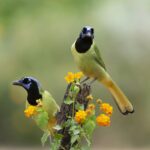
A garden filled with flowers can be beautiful for people—and surprisingly valuable for birds. The right plants provide much more than colorful blooms. They can offer nectar, seeds, insects, nesting materials, protective cover, and places for birds to rest while moving through the landscape.
Hummingbirds may hover beside nectar-rich tubular flowers, while goldfinches cling to dried seed heads later in the season. Chickadees, warblers, wrens, and other insect-eating birds can benefit indirectly when native flowers support caterpillars and other small invertebrates.
You do not need a huge property to make a difference. A flower bed, patio garden, side yard, or collection of containers can all become part of a more bird-friendly landscape.
🌻 Why Flowers Are Important for Birds
Flowers support birds in several different ways.
Some birds visit blossoms directly. Hummingbirds are famous for feeding on floral nectar, using their long bills and tongues to reach into flowers. Other species are more interested in what happens after the flowers fade. Seed-eating birds may descend on mature flower heads to pick out nutritious seeds.
Flowers also support insects. This is particularly important because many birds that appear to be primarily seed or fruit eaters feed insects to their young during the nesting season.
A diverse garden can therefore provide several layers of food:
- Nectar
- Seeds
- Insects
- Caterpillars
- Spiders and other small invertebrates
- Fruits and berries from nearby shrubs
Instead of thinking of flowers merely as decorations, it helps to view them as part of a miniature ecosystem.
🌿 Native Flowers Are Often the Best Choice
One of the most effective ways to make a garden more valuable to birds is to include plants native to your region.
Native plants have developed alongside local insects, birds, and other wildlife. Many native insects depend on particular plants for food or reproduction, and those insects can then become an important food source for birds.
Native plants are also generally adapted to local rainfall, temperature patterns, and soils.
This does not mean every plant in your garden must be native. A mixed garden can still provide food and shelter. However, gradually increasing the percentage of locally native flowers, shrubs, grasses, and trees can make the landscape considerably more useful to wildlife.
Because native ranges vary widely, gardeners should check which species naturally occur in their particular region rather than relying solely on generic national plant lists.
🌺 Best Flowers for Hummingbirds
Few backyard bird encounters are as memorable as watching a hummingbird hover beside a flower.
Hummingbirds are especially attracted to nectar-producing blooms. Tubular flowers are particularly well suited to their long bills, although hummingbirds may investigate many flower shapes.
Good choices can include:
Bee Balm
Bee balm (Monarda species) produces clusters of colorful tubular flowers that can be highly attractive to hummingbirds and pollinating insects.
Different species of Monarda are native to different parts of North America, so look for one appropriate to your region.
Cardinal Flower
Cardinal flower (Lobelia cardinalis) produces brilliant red tubular blooms that are particularly well suited to hummingbird pollination.
It naturally occurs across a large portion of eastern and central North America and generally prefers moist conditions.
Columbine
Native columbines (Aquilegia species) produce distinctive hanging flowers filled with nectar.
Red columbine (Aquilegia canadensis) is native to much of eastern North America, while other columbine species occur farther west.
Trumpet Honeysuckle
Trumpet honeysuckle (Lonicera sempervirens) is a native vine in eastern North America that produces tubular red or orange flowers frequently visited by hummingbirds.
Be sure to distinguish native honeysuckles from invasive non-native honeysuckles that can spread aggressively.
California Fuchsia
In western gardens, California fuchsia (Epilobium canum) can be an excellent hummingbird plant. Its brilliant tubular flowers bloom when many other plants are beginning to fade.
If hummingbirds are your primary garden visitors, explore our Hummingbirds collection to learn more about these extraordinary birds.
🌻 Best Seed-Producing Flowers for Birds
A flower does not stop being useful when its petals disappear.
In many bird-friendly gardens, the dried flower head becomes one of the most important parts of the plant.
Sunflowers
Sunflowers are among the most recognizable bird-friendly flowers. Their seed heads can attract finches and many other seed-eating birds.
Native sunflower species are particularly valuable where they naturally occur.
Instead of removing every faded sunflower at the end of summer, consider allowing some heads to remain standing so birds can feed directly from them.
Coneflowers
Coneflowers (Echinacea species) are popular native garden plants across portions of North America.
Their large flower heads attract pollinators while blooming, and their seed heads can later provide food for birds.
Goldfinches are especially delightful to watch as they balance on dried flower heads and pull out seeds.
Learn more about one of the garden’s most colorful seed eaters in our American Goldfinch guide.
Black-Eyed Susans
Black-eyed Susans (Rudbeckia species) provide bright summer color followed by seed heads that may attract small seed-eating birds.
They also support pollinating insects during the growing season.
Asters
Native asters bloom relatively late in the growing season, providing nectar and insect habitat when many summer flowers are finished.
Their seeds can also become food for birds after flowering.
Goldenrod
Goldenrod sometimes receives an undeserved reputation as a weed, but native goldenrods are important wildlife plants.
Their late-season flowers support an impressive variety of insects. Later, their seeds can provide another natural food source.
🐛 Flowers Help Birds by Supporting Insects
One of the most important reasons to grow bird-friendly flowers is easy to overlook.
Insects.
Many backyard birds depend heavily on insects, particularly while raising young. Caterpillars, beetles, spiders, flies, and other small creatures provide concentrated protein needed by growing nestlings.
A garden containing a variety of native plants can support a richer insect community than a landscape consisting largely of lawn and ornamental plants with little wildlife value.
This creates a food chain:
Plants → insects → birds
That is why creating bird habitat involves more than simply putting out birdseed.
A thriving garden can provide natural food every day without requiring a feeder to be constantly replenished.
🌸 Plant Flowers That Bloom at Different Times
A garden becomes more useful when something is blooming throughout as much of the growing season as possible.
Instead of planting one flower that puts on a spectacular display for two weeks, combine species with different flowering periods.
For example:
Spring: columbines and other early native wildflowers
Early summer: penstemons and coreopsis
Summer: bee balm, coneflowers, and sunflowers
Late summer and fall: asters, goldenrods, and late-blooming hummingbird plants
Exact bloom times depend heavily on climate and location.
A long flowering season provides a more consistent supply of nectar and insects and creates a garden that changes throughout the year.
🍂 Don’t Cut Everything Down in Fall
Traditional garden cleanup often involves removing every dead stem and flower head as soon as autumn arrives.
For birds, that can remove valuable food.
Consider leaving at least some healthy dried plants standing through fall and winter.
Seed heads from sunflowers, coneflowers, asters, goldenrods, and other plants may continue providing food long after flowering has ended.
Standing stems can also provide habitat for insects.
You do not have to leave the entire garden untouched. One option is to clean highly visible areas while allowing a less formal section to remain standing for wildlife.
The resulting winter garden can be surprisingly beautiful, especially when finches and sparrows arrive to forage among frost-covered seed heads.

🌳 Think Beyond Flowers
Flowers are only one part of a truly bird-friendly landscape.
The most productive bird gardens often contain multiple layers of vegetation.
Try combining:
- Tall native trees
- Smaller understory trees
- Berry-producing shrubs
- Dense shrubs for cover
- Native grasses
- Perennial flowers
- Ground-cover plants
- Vines where appropriate
Different birds use different levels of vegetation.
A hummingbird may feed among flowers while a chickadee searches branches for insects. A sparrow may forage beneath the plants, while a robin hunts across nearby soil.
Greater plant diversity creates more opportunities for wildlife.
💧 Add a Reliable Water Source
Food attracts birds, but water can make a garden even more appealing.
A shallow bird bath provides birds with a place to drink and bathe.
Place it where birds have reasonably good visibility so they can watch for danger. Nearby vegetation can provide a retreat, although extremely dense cover directly beside the bath may give predators a place to hide.
Keep the water fresh and clean the bath regularly.
During hot, dry weather, a dependable source of clean water can become one of the most popular features in the entire garden.
🏡 Combine Natural Food With Bird Feeders
Native plants and bird feeders do not have to compete with each other.
They work well together.
A flower garden provides natural foods and habitat while feeders can supplement those resources and bring birds into convenient viewing areas.
Different feeder types attract different birds, so placement and food selection can influence which species visit.
Explore our Backyard Birding guide for more ideas about food, water, habitat, birdhouses, and enjoying birds around your home.
You can also read The Best Places to Hang Your Bird Feeder for Maximum Bird Watching when planning your backyard setup.
🚫 Avoid Pesticides When Possible
A garden designed for birds should also be a place where insects can survive.
Broad insecticide use can remove many of the insects birds depend on for food. Pesticides may also affect wildlife directly or indirectly.
Fortunately, a diverse garden can develop its own natural balance.
Birds themselves become part of the pest-control system by eating insects.
Accepting a little leaf damage can also be worthwhile. A partially chewed leaf may indicate that a caterpillar is present—and that caterpillar could eventually become food for a nest full of hungry chicks.
A bird-friendly garden does not need to look perfectly manicured.
In many cases, a slightly wilder garden is a healthier one.
🪴 Can You Attract Birds Without a Large Yard?
Absolutely.
Even gardeners with small patios, balconies, and urban spaces can provide useful resources.
Large containers can hold native flowering plants. Window boxes may support smaller flowers, while climbing plants can add vertical habitat where appropriate.
A small water source and several carefully selected plants can create a miniature stopping place for migrating or neighborhood birds.
Several small wildlife-friendly gardens scattered across a neighborhood can collectively create much more habitat than any individual garden could provide.
🐦 Which Birds Might Visit a Flower Garden?
The answer depends on your location, but flower-rich gardens may attract or support many familiar birds.
Possible visitors include:
- Hummingbirds
- American Goldfinches
- Lesser Goldfinches
- House Finches
- Chickadees
- Wrens
- Sparrows
- Warblers
- Orioles
- Catbirds
- Cardinals
- Nuthatches
- Woodpeckers
Some will visit flowers directly, while others arrive for seeds, insects, shelter, or nearby fruits.
That diversity is part of what makes bird gardening so interesting. You may plant a flower hoping to see a hummingbird and discover that it attracts an entirely different collection of birds as the season changes.
🌎 Create a Garden That Works Year-Round
One of the best goals for a bird garden is to provide something useful during every season.
Spring flowers can support insects needed by nesting birds.
Summer blooms can provide nectar and abundant insect life.
Autumn seed heads and berries can help migrating birds.
Winter berries, seeds, evergreen vegetation, and standing plant material may provide food and shelter during the harshest months.
You do not need to achieve all of this immediately.
Start with a few plants and observe what happens.
Which birds arrive?
Which flowers attract insects?
Which seed heads disappear first?
Bird-friendly gardening becomes much more interesting when you allow the birds themselves to show you what works.

🌼 How to Start a Bird-Friendly Flower Garden
If you are starting from scratch, keep the process simple.
First, identify several flowering plants native to your region. Choose species that match your garden’s actual sunlight, soil, moisture, and available space.
Then try to select plants with different bloom periods.
Add at least one seed-producing flower and, if hummingbirds occur in your region, one nectar-rich tubular flower.
Gradually add shrubs, grasses, and other native vegetation when space permits.
Provide water.
Avoid unnecessary pesticide use.
And when autumn arrives, resist the temptation to cut down every dried flower.
Within time, the garden begins to function less like a flower display and more like habitat.
❓ Frequently Asked Questions
What flower attracts the most birds?
There is no single best flower for every region or bird species. Sunflowers, coneflowers, bee balm, asters, goldenrods, and native tubular flowers can all be valuable, depending on where you live.
Choosing several locally native species is usually better than relying on one plant.
What flowers are best for hummingbirds?
Hummingbirds frequently visit nectar-rich tubular flowers such as bee balm, cardinal flower, columbine, trumpet honeysuckle, penstemon, and California fuchsia where those plants are appropriate to the region.
Do birds eat flower seeds?
Yes. Finches, sparrows, and several other birds eat seeds produced by flowering plants. Sunflowers and coneflowers are familiar examples.
Should I leave dead flowers for birds?
Leaving some dried seed heads standing through autumn and winter can provide birds with natural food. It can also preserve habitat for insects.
Do native plants really attract more birds?
Native plants can provide several resources important to birds, including seeds, fruits, nectar, shelter, and the native insects that many birds eat. The best choices depend on your geographic region.
Can a small garden help birds?
Yes. Even a balcony, patio, or small flower bed can provide nectar, seeds, insects, cover, or water. Small habitat patches can be particularly useful when combined with other wildlife-friendly spaces throughout a neighborhood.

💚 A Garden for Birds—and for You
Creating a bird-friendly garden does not mean giving up beautiful landscaping.
Quite the opposite.
Coneflowers, columbines, bee balm, asters, sunflowers, goldenrods, and other wildlife-friendly plants can create a landscape filled with changing colors, textures, butterflies, bees, and birds.
The biggest difference is the purpose behind the planting.
Instead of choosing flowers solely because they look beautiful for a few weeks, you begin asking what happens after they bloom. Does the plant produce seeds? Does it support caterpillars? Can a hummingbird reach its nectar? Does it provide shelter? Will it continue contributing to the garden in autumn and winter?
Those questions transform an ordinary flower bed into habitat.
And once birds begin discovering it, the garden becomes much more than a place to grow flowers.
It becomes a place to watch the natural world unfold just outside your door.
🔗 Related Articles
- Backyard Birding: How to Attract, Feed & Enjoy Birds at Home
- Hummingbirds
- American Goldfinch
- The Best Places to Hang Your Bird Feeder for Maximum Bird Watching
📚 Sources
- National Audubon Society — Plants for Birds
- National Audubon Society — Find Bird-Friendly Native Plants
- National Audubon Society — How to Make Your Yard Bird-Friendly
- National Audubon Society — 10 Plants for a Bird-Friendly Yard
- Cornell Lab of Ornithology — To Bring Birds to Your Garden, Grow Native Plants