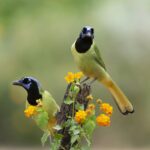
A garden can provide birds with far more than flowers and greenery. With the addition of one simple feature—a dependable source of fresh water—it can become a genuine gathering place for wildlife.
Bird baths are among the easiest ways to make a yard more welcoming to birds. While feeders tend to attract species interested in the foods being offered, virtually all birds need water. A clean, shallow bird bath can therefore introduce you to visitors that might otherwise pass through your garden unnoticed.
American Robins may splash enthusiastically. Chickadees may dart down for a quick drink. Waxwings, bluebirds, sparrows, finches, and other songbirds may stop by depending on where you live and the season. Once birds discover a reliable water source, watching the bird bath can become one of the most enjoyable parts of backyard birding.
Better still, creating this miniature oasis does not require a large yard, expensive fountain, or elaborate landscaping. A thoughtfully placed shallow basin filled with clean water can be enough.
💧 Why Birds Need Water
Birds need water for two basic reasons: drinking and bathing.
Although birds obtain some moisture from the foods they eat, many species regularly drink from puddles, streams, ponds, dripping leaves, and other available water sources. During periods of heat or dry weather, dependable water can become especially valuable.
Bathing serves a different purpose. Birds regularly maintain their feathers through grooming and preening, and bathing helps remove dust, dirt, and debris. After a bath, you may see a bird retreat to a nearby branch and carefully work its bill through its feathers.
Providing fresh water therefore adds something to a backyard habitat that even an excellent feeding station cannot completely replace.
🐦 A Bird Bath Can Attract More Kinds of Birds
One of the greatest advantages of a bird bath is its ability to attract birds that are not particularly interested in traditional bird feeders.
Seed feeders are wonderful for chickadees, finches, cardinals, nuthatches, sparrows, and many other familiar visitors. But plenty of birds do not regularly eat sunflower seeds, nyjer, or other common feeder foods.
Water has much broader appeal.
Depending on your region and habitat, a bird bath might be investigated by robins, thrushes, bluebirds, warblers, waxwings, mockingbirds, wrens, catbirds, and other birds that may spend little or no time at a conventional seed feeder.
If you already have a feeding station, think of water as the next layer of your backyard habitat. Our Bird Feeders 101 guide can help you build the food side of that habitat, while a bird bath gives visitors another reason to stay.
🌿 Bird Baths Help Create a More Complete Bird-Friendly Garden
The most successful bird-friendly yards are not simply collections of feeders. They contain several of the things birds naturally seek: food, water, shelter, vegetation, safe resting places, and—in some cases—suitable nesting habitat.
A bird bath fits naturally into that larger picture.
Imagine a garden with native flowers buzzing with insects, a berry-producing shrub along the fence, mature trees overhead, fallen leaves beneath the shrubs, and a shallow bird bath tucked where birds can safely approach it.
That garden offers much more than a bowl of birdseed. It begins to function as a miniature habitat.
You do not need acres of land to create this effect. Even a small suburban garden or patio can offer useful resources when those resources are chosen carefully.
🌼 A Bird Bath Adds Life and Movement to the Garden
Bird baths can benefit the human side of the garden as well.
Flowers provide color. Grasses add texture. Trees create height and shade. Water introduces movement—and visiting birds make the landscape feel alive.
Few backyard moments are quite as entertaining as watching a robin plunge into the water with complete enthusiasm, sending droplets flying in every direction. Smaller songbirds may approach more cautiously, dipping their heads or fluttering through the shallows before hopping onto a nearby branch to preen.
These everyday encounters can transform a quiet corner of the yard into a favorite place to watch nature.
Position the bath where you can see it from a kitchen window, porch, patio, or garden chair, and you may discover that it becomes one of your most frequently watched backyard features.
📏 What Makes a Good Bird Bath?
A good bird bath does not need to be elaborate.
In fact, shallow water that resembles the puddles and stream edges birds encounter in nature is generally more useful than a deep ornamental basin.
Look for a bath with a gently sloping surface and relatively shallow water. Keeping the water approximately 1 inch deep near the edges and no more than about 2 inches deep toward the center gives many small birds comfortable places to stand.
A textured surface is also preferable to something extremely smooth and slippery. If the basin is slick or slightly too deep, adding a few stones can create better footing and shallower landing areas.
The ideal bird bath is:
- Shallow
- Easy for birds to enter and exit
- Easy for you to clean
- Stable
- Filled with fresh water
- Positioned where birds can watch for danger
- Visible enough for you to enjoy
An inexpensive plant saucer or shallow pan can sometimes work just as well as a decorative pedestal bath.
📍 Where Should You Put a Bird Bath?
Placement makes a significant difference.
Birds are vulnerable while bathing because their feathers are wet and their attention is temporarily focused on the water. They need to be able to spot predators and escape quickly.
A location with reasonably open visibility is therefore useful. Nearby trees or branches can provide a convenient place for birds to perch and preen after bathing, but avoid burying the bath directly inside dense vegetation where a roaming cat or other predator could hide.
Shade can also be helpful, particularly during hot summer weather. Water placed in full afternoon sun may become warm and evaporate quickly, while partial shade can keep the area more comfortable.
Ideally, choose a location that combines:
Visibility + nearby perches + some shade + easy access for cleaning.
And do not forget your own view. A strategically positioned bath can provide wonderful birdwatching from inside your home.
💦 Moving Water Can Make a Bird Bath Even More Appealing
Want to make your bird bath stand out?
Add movement.
Birds may notice the sight and sound of dripping, trickling, or gently moving water more readily than a perfectly still basin. A fountain, bubbler, mister, or simple dripper can make a water source particularly noticeable.
You do not necessarily need an elaborate pump system. Even a basic bird-bath dripper can create enough movement to attract attention.
Moving water also gives the garden a pleasant sensory element. The quiet sound of trickling water combined with birdsong can make a patio or garden seating area feel remarkably peaceful.
🧼 Keeping a Bird Bath Clean Is Essential
Adding a bird bath also means accepting responsibility for maintaining it.
Birds may leave behind feathers, droppings, dirt, plant material, and other debris. Standing water can also become an attractive place for mosquitoes to lay eggs if it remains untouched for too long.
Emptying and replacing the water frequently is one of the simplest ways to keep the bath healthier and more inviting. Cornell recommends changing bird-bath water every day or two.
When the basin begins developing visible debris or buildup, scrub it thoroughly and rinse it before refilling it with clean water.
Cleaning becomes especially important during warm weather, when biological growth can develop more quickly.
Choose a bird bath that you can comfortably lift, empty, scrub, rinse, and refill. A gorgeous basin that is nearly impossible to clean will quickly become far less useful than a simple design that takes only a few minutes to maintain.
☀️ Bird Baths in Summer
Summer is when many people begin paying closer attention to backyard water.
Hot weather increases evaporation, and natural puddles or temporary water sources may disappear during extended dry periods. A consistently maintained bird bath can become a busy backyard gathering place.
Check the water level regularly during particularly hot weather. Partial shade can slow evaporation, while a dripper or small fountain can make the bath easier for passing birds to notice.
Summer also makes cleanliness especially important. Refresh the water frequently rather than simply topping off old water.
❄️ Do Birds Use Bird Baths in Winter?
Yes. Birds continue to need water when temperatures fall.
Finding liquid water can actually become more difficult once puddles, ponds, and other shallow sources freeze.
In cold climates, some backyard birders use bird-bath heaters or heated bird baths designed to keep a small supply of water from freezing. Any electrical equipment used outdoors should be designed specifically for outdoor use and operated according to the manufacturer’s instructions.
Never add antifreeze, glycerin, salt, or other substances to drinking water in an attempt to prevent freezing. Birds need plain, clean water.
Winter water can add another fascinating dimension to backyard birdwatching, particularly when natural sources are frozen.
🪨 Can You Make Your Own Bird Bath?
Absolutely.
A functional bird bath can be surprisingly simple.
A shallow plant saucer, sturdy pan, or similar waterproof container can provide everything a bird needs as long as it is stable, safely positioned, shallow enough, and kept clean.
Add a flat stone or a few appropriately sized rocks to provide secure footing and different water depths.
A homemade bird bath is a particularly good choice when you are unsure where you want to establish a permanent water feature. Try a simple basin first, watch how birds use it, and move it around until you find the best location.
You can always upgrade to something more decorative later.
🐤 What Birds Might Visit a Bird Bath?
The answer depends on where you live, the surrounding habitat, migration, and the season, but potential visitors include many familiar backyard species.
You might see:
- American Robins
- Northern Cardinals
- Bluebirds
- Chickadees
- Titmice
- House Finches
- American Goldfinches
- Sparrows
- Wrens
- Gray Catbirds
- Northern Mockingbirds
- Cedar Waxwings
- Warblers
- Mourning Doves
- Jays
Some birds may primarily drink from the bath, while others enthusiastically bathe.
Do not be discouraged if birds fail to appear immediately. It can take time for local birds to discover and become comfortable with a new feature.
Keep the water clean and consistent. Once a few birds begin using the bath, you may find that activity gradually increases.
🌻 Combine Water With the Rest of Your Backyard Habitat
A bird bath becomes even more effective when it is part of a broader bird-friendly garden.
Consider combining it with native trees, shrubs, grasses, and flowers that provide natural food and shelter. Add feeders suited to the birds in your area, keep cats safely away from bird activity, reduce unnecessary pesticide use, and provide appropriate nesting opportunities where possible.
If feeders are part of your setup, their location matters too. See The Best Places to Hang Your Bird Feeder for Maximum Bird Watching for additional ideas.
Rather than trying to attract birds with one single feature, think in layers.
Food brings some birds. Water brings others. Plants provide habitat. Trees and shrubs provide places to retreat. Together, those elements turn a garden into somewhere birds can actually use.
❓ Frequently Asked Questions
Is a bird bath really worth having?
For backyard birders, yes. Water can attract birds that may not visit seed feeders, while also providing local birds with a place to drink and bathe. A bird bath is inexpensive, requires little space, and can create excellent opportunities for observing bird behavior.
How deep should a bird bath be?
Shallow is best. Aim for roughly 1 inch of water near the edges, gradually increasing to no more than about 2 inches in the deeper portion. Rocks can provide additional shallow standing areas.
How often should bird-bath water be changed?
Fresh water should be provided frequently. Cornell recommends changing the water every day or two. Replace it even sooner if it becomes visibly dirty.
Should a bird bath be in the sun or shade?
Partial shade is often an excellent choice, especially in warm climates. Shade can help keep the water cooler and reduce evaporation. Birds should still have good visibility around the bath so they can watch for predators.
Should I put rocks in my bird bath?
A few flat or textured stones can be useful, particularly in a smooth or slightly deep basin. They provide secure footing and additional shallow areas for smaller birds.
How do I attract birds to a new bird bath?
Keep the bath filled with fresh, shallow water and place it where birds can approach safely. Nearby perches can help. Adding dripping or gently moving water may make the bath easier for passing birds to notice.
Can mosquitoes breed in bird baths?
Mosquitoes can use stagnant standing water for breeding, which is another reason bird baths should be refreshed frequently. Regularly emptying and replacing the water prevents it from becoming a long-term stagnant pool.
Do I still need a bird bath if I already have feeders?
A bird bath is an excellent complement to feeders. Feeders mainly attract birds interested in the particular foods you provide, while water can appeal to a much wider variety of species.
❤️ Your Garden’s Smallest Oasis
Creating a bird-friendly garden does not have to begin with a major landscaping project.
Sometimes it starts with a bowl of water.
A simple bird bath can provide drinking water, a place to bathe, and an entirely new reason for birds to investigate your property. In return, you gain an intimate view of behaviors that can otherwise be easy to miss—the cautious first sip, the enthusiastic splash, the vigorous feather shake, and the quiet preening session that follows.
Add native plants, suitable food, shelter, and safe nesting opportunities over time, and that one small water feature can become part of something much larger.
Your backyard does not need to be a wilderness to become valuable to birds.
It simply needs to offer something they can use.
And a little fresh water is a wonderful place to begin.
🔗 Related Articles
- Backyard Birding: How to Attract, Feed & Enjoy Birds at Home
- Bird Feeders 101: How to Choose the Perfect Feeder for Your Backyard
- The Best Places to Hang Your Bird Feeder for Maximum Bird Watching
- Hummingbirds: Species, Identification, Feeding & Backyard Guide