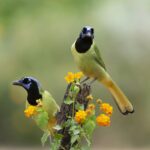
Putting up a bird feeder is one of the easiest ways to bring more wildlife into your backyard. You fill it with seed, hang it in a promising location, and imagine chickadees, cardinals, finches, and other colorful visitors gathering outside your window.
But what happens when the feeder stays completely untouched?
Perhaps you installed a new feeder several days ago and haven’t seen a single bird. Maybe your feeder used to attract dozens of visitors, but suddenly the birds have disappeared.
Although it can be disappointing, an empty bird feeder doesn’t necessarily mean you’ve done something wrong. Birds visit feeders for many reasons, and their behavior changes with the seasons, weather, available food, and conditions around your yard.
Sometimes the solution is as simple as changing the seed, moving the feeder closer to natural shelter, or allowing more time for birds to discover it.
Other times, birds may simply have plenty of natural food available and little reason to visit.
If birds aren’t coming to your feeder, here’s how to identify the most likely reasons and make your backyard more inviting.
🐦 1. Birds Haven’t Discovered Your Feeder Yet
One of the most common reasons a bird feeder remains empty is that local birds simply haven’t found it.
Birds don’t automatically recognize a newly installed feeder as a reliable food source.
They spend their days searching familiar feeding areas, moving between trees and shrubs, and following established routes through their territories.
When you introduce a feeder into the landscape, it may take time before birds begin investigating it.
Some feeders attract visitors within a few hours. Others remain untouched for several days or even weeks.
The amount of time depends on the birds living nearby, the feeder’s visibility, and how much food is naturally available.
If your feeder is new, patience is often the best first step.
Avoid moving it every day or repeatedly replacing the entire setup.
Instead, choose a safe, reasonably visible location and give birds an opportunity to become familiar with it.
You may notice a chickadee inspecting the feeder before any other birds begin using it. Once one bird discovers the food, others may eventually follow.
🌻 2. You’re Using the Wrong Birdseed
Not all birds eat the same foods.
A feeder filled with seed that local birds don’t particularly like may receive very little attention, even when plenty of birds live nearby.
Many inexpensive birdseed mixes contain large amounts of filler ingredients that aren’t especially attractive to common backyard birds.
Red millet, oats, and certain other grains may be left behind while birds search for preferred seeds.
Over time, the rejected food can accumulate inside the feeder or on the ground.
If you’re unsure which seed to offer, black-oil sunflower seed is one of the best choices for attracting a wide variety of North American backyard birds.
The Cornell Lab of Ornithology recommends sunflower seed as a versatile starting point because many seed-eating species readily accept it.
Common visitors may include chickadees, cardinals, finches, nuthatches, titmice, and grosbeaks.
However, specialty foods can attract different groups of birds.
Nyjer seed is especially appealing to goldfinches and certain other small finches. Suet attracts many woodpeckers, while peanuts appeal to jays, nuthatches, and chickadees.
The key is matching the food to the species you hope to attract.
If your feeder isn’t getting attention, consider replacing an inexpensive mixed seed blend with fresh black-oil sunflower seed.
🏡 3. Your Bird Feeder Is in the Wrong Location
Bird feeder placement can make a significant difference in whether birds feel comfortable visiting.
Birds need to balance the benefits of finding food against the risk of encountering predators.
A feeder positioned in the middle of a completely exposed lawn may feel less inviting than one located near suitable trees or shrubs.
Natural cover provides places for birds to perch, observe their surroundings, and retreat when threatened.
However, placing a feeder too close to dense vegetation can create another problem.
Cats and other predators may use nearby bushes as hiding places.
The Cornell Lab of Ornithology recommends positioning feeders near natural shelter while leaving enough separation to reduce opportunities for predators to ambush feeding birds. Approximately 10 feet from suitable shrubs or trees can be a useful starting point, although the safest arrangement depends on your yard.
You should also consider nearby windows.
To reduce dangerous window collisions, bird-safety organizations generally recommend placing feeders within three feet of a window or more than 30 feet away. Applying effective bird-friendly window treatments provides additional protection.
If your feeder is in a highly exposed, windy location or a place where birds rarely travel, moving it to a quieter, safer spot may encourage more visitors.
For additional placement ideas, see The Best Places to Hang Your Bird Feeder for Maximum Bird Watching.
🐿️ 4. Squirrels or Other Animals Are Disturbing the Feeder
Squirrels can be entertaining backyard visitors, but they may also interfere with bird feeding.
A squirrel sitting on a feeder for long periods can prevent smaller birds from reaching the food.
Squirrels may also empty feeders quickly, leaving little for the birds that arrive afterward.
In some cases, a feeder may appear untouched during your usual watching hours because squirrels have already removed most of the seed.
Larger animals, including raccoons, may also disturb feeders.
If squirrels are a persistent problem, consider using a properly installed squirrel baffle or a feeder designed to discourage access by heavier animals.
Weight-sensitive feeders can close their feeding ports when a squirrel lands on them.
Pole-mounted baffles may also help when feeders are positioned far enough from trees, fences, and other jumping points.
Avoid harmful deterrents such as sticky substances or traps that could injure wildlife.
Remember that squirrels aren’t necessarily the reason birds have stopped visiting. However, if they dominate your feeding station, changing the feeder setup may give smaller birds more opportunities to eat.
🦅 5. A Predator Is Making Birds Nervous
If birds suddenly stop visiting a feeder they previously used regularly, a predator may be responsible.
Backyard birds are constantly alert for threats.
A Cooper’s Hawk or Sharp-shinned Hawk hunting near the feeder can cause smaller songbirds to scatter.
Even after the hawk leaves, the birds may remain cautious for a while.
Free-roaming cats are another concern.
A cat resting beneath the feeder or hiding in nearby vegetation can discourage birds from approaching.
Birds may also become wary when people, dogs, or other animals repeatedly disturb the feeding area.
If your feeder has suddenly become quiet, spend a little time observing the surroundings.
Look for hawks perched nearby, cats visiting the garden, or other disturbances.
Avoid trying to interfere with native birds of prey. Hawks are a natural part of the backyard ecosystem and help maintain ecological balance.
Instead, focus on making the feeding area safer.
Keep pet cats indoors or in secure outdoor enclosures, provide suitable escape cover, and avoid placing feeders where predators can easily ambush visiting birds.
If you’re interested in recognizing the raptors that may visit your neighborhood, learning How to Tell a Hawk From a Falcon can help you distinguish these fascinating birds.
🌳 6. There’s Plenty of Natural Food Available
Sometimes birds stop visiting feeders because they simply don’t need the supplemental food.
This is especially common during parts of spring, summer, and fall when natural food is abundant.
Trees and shrubs may be producing seeds, berries, nuts, and other foods.
Insects may also be plentiful, giving birds additional feeding opportunities.
During autumn, for example, a productive season for acorns, berries, and native plant seeds can reduce activity at backyard feeders.
Cornell’s Project FeederWatch has identified abundant natural food as an important explanation for seasonal declines in feeder visits.
This is generally a positive sign.
Birds finding plenty of food in their natural habitat are behaving normally.
A feeder is only one of many possible food sources, and most wild birds aren’t dependent on a single backyard feeding station.
If your feeder is quiet during a period of natural abundance, keep it clean, offer small amounts of fresh seed if you wish to continue feeding, and allow birds to return when conditions change.
You may also enjoy watching birds forage among trees, shrubs, and native flowers rather than focusing entirely on the feeder.
🍂 7. Seasonal Changes Have Affected Bird Activity
Bird populations and feeding behavior change throughout the year.
In spring, many birds become busy establishing territories, finding mates, building nests, and gathering food for their young.
During the breeding season, insects become especially important for many species because they provide protein for growing nestlings.
As a result, some birds may spend less time visiting seed feeders.
Summer can bring another change as natural food becomes more abundant.
In autumn, migrating birds begin moving between seasonal habitats, while many resident species take advantage of seeds, berries, and nuts.
Winter often brings increased feeder activity in areas where cold weather, snow, or reduced natural food availability make supplemental food more attractive.
However, these patterns vary by region and species.
A feeder that attracts goldfinches during one season may become quieter when those birds move to different feeding areas.
Some species remain in the same general region throughout the year, while others appear only during migration or winter.
If your feeder activity changes with the seasons, it may reflect normal bird behavior rather than a problem with the feeder.
🧼 8. The Bird Feeder Needs Cleaning
Birds may avoid feeders containing spoiled, moldy, or otherwise unsuitable food.
Over time, moisture, seed hulls, droppings, and other debris can accumulate inside a feeder.
This is particularly common when feeders remain filled for long periods without being emptied.
Rainwater can collect in poorly drained feeders and cause seeds to become damp.
In warm weather, wet seed may deteriorate quickly.
Dirty feeders also create potential health risks by bringing birds into contact with contaminated surfaces.
The Cornell Lab’s Project FeederWatch recommends cleaning seed and suet feeders regularly, generally every week or two, and more often during wet weather or periods of heavy use.
Empty the feeder completely and discard old seed.
Disassemble removable components according to the manufacturer’s instructions.
Wash the feeder thoroughly with warm water and dish soap, removing visible debris from feeding ports, perches, and other surfaces.
Rinse it thoroughly and allow it to dry completely before adding fresh seed.
Follow current disease-prevention and manufacturer guidance if additional disinfecting is appropriate.
Also clean beneath the feeding station, where old seed and droppings can accumulate.
Regular cleaning helps keep the feeder more inviting while reducing the risk of spreading disease among visiting birds.
🌧️ 9. The Birdseed Has Become Wet or Stale
Even a clean feeder may not attract birds if the food inside has deteriorated.
Birdseed can become stale or spoiled when exposed to excessive moisture, heat, or poor storage conditions.
This can happen when a feeder is exposed to repeated rainstorms or when seed has been sitting in a humid garage for months.
Certain foods are especially vulnerable.
Shelled sunflower hearts can deteriorate faster than sunflower seeds still protected by their shells.
Nyjer seed may also become less appealing when it is old or improperly stored.
Look for clumped seed, unusual odors, discoloration, visible mold, or moisture inside the feeder.
If you notice these problems, discard the seed rather than mixing it with a fresh batch.
Clean and thoroughly dry the feeder before refilling.
Store unused birdseed in a cool, dry location inside a secure container.
Avoid buying more seed than you can use while it remains fresh.
If birds have stopped visiting a feeder that used to be popular, replacing the seed with a fresh supply is one of the simplest changes worth trying.
🐦 10. Your Feeder Doesn’t Match the Birds in Your Yard
Different birds have different feeding behaviors.
Some prefer to perch on narrow openings, while others are more comfortable standing on a wide platform.
A feeder designed for small finches may not accommodate a larger Northern Cardinal.
Similarly, a suet cage may attract woodpeckers and nuthatches but receive little attention from ground-feeding birds.
If you frequently see cardinals in nearby shrubs but never at your feeder, the feeder may not provide enough room for them to perch comfortably.
A platform or hopper feeder may be more suitable.
Chickadees and nuthatches often use hanging tube feeders, while goldfinches readily visit feeders designed for nyjer seed or sunflower.
Mourning Doves, juncos, and many sparrows prefer feeding from the ground or low, open platforms.
However, ground-level feeding areas require careful attention to sanitation and predator safety. Food and droppings should not be allowed to accumulate.
If you aren’t sure which feeder is best, start with a versatile design that matches common local birds.
The Bird Feeders 101: How to Choose the Perfect Feeder for Your Backyard guide explains the differences between popular feeder types.
💧 11. Your Yard Doesn’t Offer Water or Shelter
A bird feeder may provide food, but birds need more than seeds to feel comfortable spending time in a yard.
Fresh water, shelter, and suitable vegetation can make a backyard more attractive to wildlife.
Birds use water for drinking and bathing, and many species that rarely visit seed feeders may still visit a bird bath.
Trees and shrubs offer resting places, protection from weather, and natural feeding opportunities.
Native plants can provide seeds, berries, nectar, and insects.
A yard containing only closely cut grass and a single exposed feeder may offer fewer resources than one with a variety of plants and protected spaces.
Consider adding a shallow bird bath with fresh water.
Keep it clean and replace the water frequently to prevent contamination and discourage mosquito breeding.
If you have space, plant native shrubs, flowers, or small trees suited to your region.
These additions can help birds throughout the year, even when they aren’t visiting the feeder.
For more ideas, explore Creating Your Own Oasis: The Benefits of Having a Bird Bath in Your Garden.
🪶 12. The Birds You Want to Attract Aren’t Nearby
Not every bird species lives in every neighborhood.
A feeder can only attract birds that occur in your area and are willing to use the food and feeder type you’re offering.
For example, some woodpeckers are more common in wooded neighborhoods than in open urban areas.
Certain finches appear only seasonally or vary considerably in abundance from one year to another.
Even within the same city, bird communities can differ depending on nearby parks, trees, water, and development.
If you’re hoping to attract a particular species, check whether it is commonly found in your region during the current season.
Bird identification resources, local birding groups, and regional observations can help you understand which birds are likely to visit.
Pay attention to the birds already using your yard.
If you regularly see chickadees and titmice, sunflower seed may be a good choice.
If woodpeckers visit nearby trees, a suitable suet feeder may be worth considering.
If you see sparrows hopping through the grass, a properly maintained low platform may fit their feeding behavior better than a small hanging feeder.
Learning which species are present makes it easier to choose food and feeders that match their needs.
🏡 How to Attract Birds to a New Feeder
If you’ve recently installed a feeder and nothing is happening, don’t assume you need to buy a completely different setup.
Begin with a simple, dependable food source.
A clean tube or hopper feeder filled with fresh black-oil sunflower seed is a good starting point for attracting a broad range of common backyard birds.
Choose a location where birds have access to safe nearby shelter and where you can observe the feeder without disturbing them.
Make sure the feeder is visible and not hidden behind dense vegetation.
If birds are feeding naturally nearby but ignoring the feeder, you may be able to draw attention to it by placing a very small amount of seed on an appropriate clean tray nearby. Avoid scattering food where it can accumulate, become contaminated, or attract unwanted animals.
Give the feeding station time to become familiar.
Birds may inspect a new object cautiously before using it regularly.
Once activity begins, maintain the feeder by replacing old food and cleaning it frequently.
You don’t need several feeders immediately.
Start with one, observe which birds appear, and add more variety only when you understand what local birds prefer.
⏳ How Long Does It Take Birds to Find a New Feeder?
There isn’t a universal timeline for birds to discover a feeder.
Some feeders attract birds within hours, particularly when they’re located near established feeding areas.
Others may remain untouched for days or weeks.
Several factors influence how quickly birds begin visiting, including the local bird population, feeder placement, natural food availability, and the type of seed offered.
A feeder in a yard already visited by chickadees, finches, and cardinals may be discovered more quickly than one in a recently developed neighborhood with limited vegetation.
The season also matters.
When natural food is plentiful, birds may have little reason to investigate a new source.
If you’ve waited a week without visitors, inspect the food and location, but avoid changing everything at once.
Give birds an opportunity to become accustomed to the setup.
If the feeder remains unused after a few weeks, consider trying a different position or food type.
Patience, fresh food, and a suitable location often make more difference than adding elaborate equipment.
🌻 What Is the Best Food to Attract More Birds?
The best food depends on the birds you want to attract.
For a general backyard feeding station, black-oil sunflower seed is one of the most versatile options.
However, offering a small variety of foods may attract species with different feeding preferences.
| Bird | Food to try |
|---|---|
| Northern Cardinals | Sunflower or safflower |
| Chickadees | Black-oil sunflower seed |
| American Goldfinches | Nyjer or sunflower |
| Woodpeckers | Suet or suitable peanuts |
| Blue Jays | Peanuts or sunflower |
| Nuthatches | Sunflower, suet, or peanuts |
| Mourning Doves | Sunflower or white millet |
| Dark-eyed Juncos | White millet or sunflower |
The feeder itself matters just as much as the food.
Cardinals may prefer a roomy platform or hopper, while chickadees are comfortable using hanging tube feeders.
Goldfinches often use specialized nyjer feeders, and woodpeckers are well suited to suet cages.
Don’t assume every bird in your yard will visit a traditional seed feeder.
Robins, warblers, flycatchers, and many other species rely heavily on insects, fruit, or other natural foods.
Providing native plants, fresh water, and appropriate habitat may attract more kinds of birds than seed feeders alone.
🍂 Why Have Birds Suddenly Stopped Coming to My Feeder?
A sudden drop in feeder activity can be confusing, particularly when the birds have visited regularly for months.
However, feeder attendance naturally changes.
Seasonal food availability is one major reason.
When native plants produce abundant seeds, berries, and insects, birds may spend more time foraging elsewhere.
Migration can also change which species are present.
A predator visiting the area may temporarily discourage smaller birds from approaching.
Weather can influence feeding patterns, too.
Strong winds, heavy rain, unusually warm conditions, or sudden changes in temperature may affect where birds spend their time.
Another possibility is that the feeder itself has changed.
Old seed, a blocked feeding port, increased squirrel activity, or a nearby disturbance can make the feeding station less attractive.
If birds suddenly disappear, first check whether the seed is fresh and the feeder is functioning properly.
Then observe the surrounding yard for predators or other disturbances.
If everything seems normal, give the birds time.
A quiet feeder often reflects temporary changes in behavior rather than a permanent loss of backyard birds.
❄️ Do Birds Visit Feeders More in Winter?
In many regions, backyard bird feeders become particularly active during colder months.
As natural food sources become less available or more difficult to reach, some birds may rely more heavily on readily accessible supplemental foods.
Snow and ice can cover seeds on the ground, while shorter days reduce the amount of time birds have to forage.
High-energy foods such as sunflower seeds and appropriate suet products can be attractive during cold weather.
However, winter feeding patterns vary by region.
In mild climates, birds may continue finding abundant natural food throughout the season.
Some species also migrate away from colder regions, changing the mix of birds that visit feeders.
Keeping feeders clean and stocked with suitable fresh food can support responsible winter bird feeding.
But remember that natural habitat remains important.
Trees, shrubs, seed-bearing native plants, and sheltered areas provide resources that a feeder cannot replace.
⚠️ What if Birds Are Avoiding a Feeder Because of Disease?
Sometimes unusual feeder behavior can coincide with illness among local birds.
Bird feeders bring multiple birds into close contact, which can increase opportunities for certain diseases to spread.
If you notice birds with crusty or swollen eyes, unusual lethargy, difficulty moving, or other signs of illness, take the situation seriously.
Project FeederWatch recommends additional cleaning and disease-prevention measures when sick birds are observed.
Depending on the disease, local conditions, and feeder setup, temporarily removing feeders may be appropriate. However, the best response varies, and removing one feeder in a neighborhood with many feeding stations may concentrate birds elsewhere.
Consult current guidance from Project FeederWatch, your state wildlife agency, or local wildlife professionals.
If local officials recommend suspending bird feeding because of an outbreak or another wildlife concern, follow those instructions.
Never add medications to birdseed or water.
Keeping feeders clean, removing spoiled seed, and maintaining suitable natural habitat are important parts of responsible backyard birdwatching.
❓ Frequently Asked Questions
Why are birds not coming to my new feeder?
Birds may not have discovered the feeder yet, particularly if it is located away from their usual feeding areas. The seed may also be unfamiliar or unsuitable for local species. Try fresh black-oil sunflower seed, choose a safe location near natural shelter, and allow time for birds to investigate.
How long should I wait for birds to come to my feeder?
Some birds discover feeders within hours, while others may take days or weeks. There is no guaranteed timeline. Local bird populations, feeder placement, food choice, and seasonal conditions all influence how quickly birds appear.
Why are there birds in my yard but not at my feeder?
The birds may prefer natural foods, or your feeder may not match their feeding style. Some species rarely use seed feeders at all. Try identifying the birds you see and offering suitable foods or feeder types.
Why have my cardinals stopped coming to the feeder?
Northern Cardinals may visit less often when natural food is abundant, when predators are nearby, or when the feeder becomes crowded. Check that the feeder provides enough room for cardinals to perch and that fresh sunflower or safflower seed is available.
Why aren’t goldfinches coming to my feeder?
Goldfinch activity varies with the season and natural seed availability. Old nyjer seed or an unsuitable feeder may also discourage visits. Try fresh nyjer or sunflower seed and make sure the feeding ports are clean and accessible.
Why aren’t birds eating my birdseed?
The seed may be stale, wet, moldy, or simply unattractive to local birds. Some inexpensive mixes contain large amounts of ingredients that many backyard species avoid. Replacing the mix with fresh black-oil sunflower seed may help.
Do birds stop coming to feeders in summer?
Some birds visit feeders less frequently during summer because insects, seeds, berries, and other natural foods are abundant. This is normal and doesn’t necessarily indicate a problem.
Why do birds disappear from feeders in the fall?
Autumn often provides abundant natural food, including seeds, berries, and nuts. Migration also changes local bird populations. As a result, feeder activity may decrease temporarily.
Can squirrels scare birds away from feeders?
Yes. Squirrels can occupy feeders, consume large amounts of seed, and disrupt smaller birds. A suitable squirrel baffle or weight-sensitive feeder may help reduce interference.
Will moving my bird feeder attract more birds?
It may. If the original location is too exposed, windy, or close to predator hiding places, moving the feeder to a safer position could make it more attractive. However, avoid constantly relocating it before birds have had time to discover the food.
Should I stop feeding birds if nobody visits?
Not necessarily. If the feeder is clean, the seed is fresh, and local guidance permits feeding, you can continue offering small amounts while waiting for visitors. However, don’t leave unused food sitting long enough to spoil.
Does having a bird bath help attract birds to feeders?
A clean bird bath can make your yard more attractive because birds need water for drinking and bathing. It may also attract species that rarely visit seed feeders. Fresh water, native plants, and safe shelter help create a more complete backyard habitat.
🌿 Final Thoughts
An empty bird feeder doesn’t necessarily mean there’s anything wrong with your backyard.
Birds have many reasons for changing their feeding habits, from seasonal food availability and migration to predators, weather, and simple preferences for particular seeds.
If your feeder is new, give birds time to discover it.
If a previously busy feeder has suddenly become quiet, check the freshness of the food, clean the feeder, and look for changes in the surrounding environment.
Choosing a safe location, offering appropriate foods, and maintaining a clean feeding station can make your yard more inviting.
However, some of the best ways to attract birds involve looking beyond the feeder itself.
Native plants, trees, shrubs, and fresh water provide resources that benefit birds throughout the year.
A backyard that offers natural food and shelter may attract a wider variety of species, including birds that never visit conventional feeders.
With a little patience and a better understanding of what local birds need, you can create a welcoming space where birdwatching becomes a rewarding part of everyday life.
🔗 Related Articles
- Bird Feeders 101: How to Choose the Perfect Feeder for Your Backyard
- The Best Places to Hang Your Bird Feeder for Maximum Bird Watching
- Backyard Birding: How to Attract, Feed & Enjoy Birds at Home
- Creating Your Own Oasis: The Benefits of Having a Bird Bath in Your Garden
- How to Tell a Sparrow From a Finch
📚 Sources & Further Reading
- Cornell Lab of Ornithology — Where to Put Your Bird Feeder
- Cornell Lab of Ornithology — Feeding Birds: A Quick Guide to Seed Types
- Cornell Lab of Ornithology — How to Choose the Right Kind of Bird Feeder
- Project FeederWatch — How to Clean Your Feeders
- Cornell Bird Academy — The Project FeederWatch Team Answers Your Questions About Bird Feeding
- Cornell Lab of Ornithology — Should I Take My Feeder Down When the Weather Starts to Warm Up?
- Audubon — Bird Feeding and Care
- Tufts University Wildlife Clinic — Birdfeeders and Wildlife