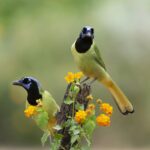
From the red flash of a Northern Cardinal against winter snow to the haunting call of a Barred Owl in an Appalachian forest, Kentucky offers extraordinary opportunities to experience birdlife throughout the year.
The Bluegrass State’s landscapes are far more varied than its nickname suggests. Western Kentucky contains wetlands, broad rivers, and bottomland forests. Central Kentucky features rolling pastures, limestone valleys, and wooded waterways. In the east, the Appalachian Mountains create a landscape of steep ridges, sheltered hollows, and extensive hardwood forests.
Together, these habitats support more than 350 documented bird species. Approximately 150 species breed in Kentucky, while many others arrive for the winter or pass through during spring and fall migration.
Whether you want to identify a visitor at your backyard feeder, find warblers in a forest, or watch Bald Eagles over Kentucky Lake, this guide introduces the birds of Kentucky, the best places to see them, and practical ways to support their conservation.
🐦 Kentucky Birds at a Glance
| Bird | Distinguishing Features | Common Habitat | Best Season |
|---|---|---|---|
| Northern Cardinal | Red crest and thick orange-red bill | Backyards, shrubs, woodland edges | Year-round |
| Eastern Bluebird | Blue back and rusty-orange breast | Fields, pastures, open woodlands | Year-round |
| American Robin | Gray-brown back and orange breast | Lawns, parks, gardens | Year-round |
| Carolina Chickadee | Black cap, black throat, white cheeks | Woodlands, neighborhoods, feeders | Year-round |
| Tufted Titmouse | Gray crest and rusty-colored sides | Deciduous forests and backyards | Year-round |
| Carolina Wren | Reddish-brown body and bold white eyebrow | Brushy gardens, woodland edges | Year-round |
| Blue Jay | Blue plumage, crest, and black necklace | Woodlands, parks, suburban yards | Year-round |
| American Goldfinch | Bright yellow breeding male with black wings | Fields, gardens, weedy areas | Year-round |
| Mourning Dove | Slender brown body and long pointed tail | Fields, neighborhoods, roadsides | Year-round |
| Downy Woodpecker | Small black-and-white woodpecker with short bill | Woodlands, gardens, feeders | Year-round |
| Red-bellied Woodpecker | Red head markings and barred black-and-white back | Forests, parks, wooded neighborhoods | Year-round |
| Pileated Woodpecker | Large black body and prominent red crest | Mature forests and wooded river corridors | Year-round |
| Red-tailed Hawk | Broad wings and reddish adult tail | Fields, roadsides, forest edges | Year-round |
| Bald Eagle | White adult head and tail with dark body | Lakes, major rivers, reservoirs | Year-round; especially visible in winter |
| Barred Owl | Rounded head, dark eyes, streaked chest | Mature forests and wooded wetlands | Year-round |
| Great Horned Owl | Prominent feather tufts and yellow eyes | Forests, farms, suburban woodlands | Year-round |
| Wild Turkey | Large dark body and broad fan-shaped tail | Forest edges, fields, open woods | Year-round |
| Ruby-throated Hummingbird | Tiny green body; adult male has red throat | Flower gardens, woodland edges | Spring through fall |
| Indigo Bunting | Brilliant blue breeding male | Brushy fields and woodland edges | Spring and summer |
| Baltimore Oriole | Orange-and-black male with pointed bill | Open woodlands, parks, shade trees | Spring and summer |
| Scarlet Tanager | Red male with black wings | Mature deciduous forests | Spring and summer |
| Kentucky Warbler | Yellow underparts and black facial markings | Shaded forest understory | Spring and summer |
| Prothonotary Warbler | Golden-yellow head and blue-gray wings | Swamps and bottomland forests | Spring and summer |
| Dark-eyed Junco | Gray body, pale bill, white outer tail feathers | Feeders, woodland edges, brushy areas | Fall through spring |
| White-throated Sparrow | White throat and striped head | Thickets, woodland edges, backyard shrubs | Fall through spring |
| Sandhill Crane | Tall gray body and red forehead | Wetlands, agricultural fields | Fall and winter |
Seasonal timing varies with weather, location, and individual migration patterns. Some species occur throughout the year even when their local populations change between seasons.
❤️ Northern Cardinal: Kentucky’s Official State Bird
The Northern Cardinal is Kentucky’s most recognizable bird and an appropriate symbol of the state’s year-round birdlife.
Kentucky officially adopted the cardinal as its state bird on February 17, 1926. More than a century later, its bright appearance and clear whistled songs remain familiar in neighborhoods, forests, parks, and rural landscapes.
Adult males are brilliant red with a black face, pointed crest, and thick orange-red bill. Females are primarily warm brown but display reddish coloration in their wings, tails, and crests. Both sexes retain the distinctive crest and strong seed-cracking bill.
Northern Cardinals do not depend on long-distance migration, so they can be seen throughout Kentucky in every season. During winter, their red plumage is especially conspicuous against bare branches and snow.
They frequently visit feeders stocked with black-oil sunflower seeds or safflower seeds. Shrubs, dense hedges, and brushy woodland edges provide the cover they need for nesting and protection.
A bright red bird is not automatically a cardinal, however. Summer Tanagers, House Finches, and other reddish species can create confusion. The crest and thick orange-red bill are the cardinal’s most reliable identifying features.
💙 Eastern Bluebird: A Favorite of Kentucky Fields
The Eastern Bluebird is one of the most attractive birds associated with Kentucky’s open countryside.
Adult males have rich blue upperparts, a rusty-orange breast, and a pale belly. Females show softer gray-blue coloration but retain blue in their wings and tail and a muted orange breast.
Bluebirds favor pastures, orchards, fields, parks, and open woodlands where they can perch on fence posts or branches and scan the ground for insects. During colder months, they also rely on berries from native trees and shrubs.
Unlike many feeder birds, Eastern Bluebirds are not especially interested in ordinary seed mixes. They are more likely to visit yards offering mealworms, water, suitable nesting boxes, and open grassy areas.
A properly designed nest box can be particularly valuable where natural tree cavities are limited. Position boxes in open habitat and monitor them responsibly to reduce problems from predators and invasive competitors.
For a closer look at their nesting habits and identification, explore Eastern Bluebird: Identification, Habitat, Diet & Backyard Tips.
🌻 Familiar Backyard Birds of Kentucky

Many of Kentucky’s most enjoyable birds can be observed without traveling farther than the backyard.
Carolina Chickadee
Carolina Chickadees are small, energetic birds with black caps, black throats, white cheeks, and gray backs. They frequently move through trees in mixed flocks with titmice, nuthatches, and woodpeckers.
Their quick movements and repeated calls make them easier to hear than see at first. At feeders, they often grab a sunflower seed and carry it to a nearby branch before opening it.
Tufted Titmouse
The Tufted Titmouse has a soft gray body, a pointed crest, large dark eyes, and a small black patch above its bill. Its sides often show a gentle rusty-orange wash.
These birds are common in deciduous woodlands and wooded neighborhoods. They readily visit feeders for sunflower seeds, peanuts, and suet.
Carolina Wren
Carolina Wrens are small reddish-brown birds with upright tails and bold white eyebrows. Their voices are far louder than their size suggests, and their repeated songs can carry across an entire yard.
They prefer tangled vegetation, brush piles, gardens, and sheltered corners. They may nest in unusual locations, including sheds, hanging planters, and other protected structures.
American Robin
American Robins are familiar across Kentucky’s lawns, parks, gardens, and woodland edges. Their orange breasts, gray-brown backs, and upright posture make them easy to recognize.
Robins are often associated with spring, but Kentucky can host them throughout the year. Some local birds leave during colder weather, while others arriving from farther north replace them.
Winter robins frequently gather around berry-producing trees rather than hunting earthworms on frozen lawns.
Blue Jay
Blue Jays are bold, intelligent birds with blue wings, a prominent crest, white underparts, and black facial markings.
They eat insects, seeds, nuts, and acorns and are especially noticeable around wooded neighborhoods. Their loud calls sometimes alert other birds to nearby predators.
Although they may seem aggressive at feeders, Blue Jays also contribute to forest regeneration by carrying and storing acorns.
American Goldfinch
Male American Goldfinches are bright yellow with black wings and a black forehead during the breeding season. Females are less intensely colored, and winter birds of both sexes become more subdued.
Goldfinches favor open fields, gardens, roadsides, and weedy areas where they can feed on seeds. Nyjer seed and sunflower hearts are particularly attractive at backyard feeders.
Native seed-producing flowers, including coneflowers and other regionally appropriate plants, can support goldfinches without requiring a feeder.
Mourning Dove
Mourning Doves have soft brown-gray plumage, small heads, and long pointed tails. Their gentle cooing is a familiar sound in Kentucky neighborhoods and rural landscapes.
They often feed on the ground beneath seed feeders and gather along power lines, roadsides, and open fields.
When startled into flight, their wings can produce a sharp whistling sound.
🌳 Woodpeckers of Kentucky
Kentucky’s forests and suburban neighborhoods support several woodpecker species, ranging from tiny backyard visitors to the impressive Pileated Woodpecker.
Downy Woodpecker
The Downy Woodpecker is a small black-and-white bird with a white back, spotted wings, and a relatively short bill. Males have a small red patch on the back of the head.
Downy Woodpeckers frequently visit suet feeders and inspect smaller branches for insects.
Hairy Woodpecker
The Hairy Woodpecker resembles a larger Downy Woodpecker but has a noticeably longer, sturdier bill.
Because their markings are similar, bill length and overall size are often the best ways to distinguish the two species. Hairy Woodpeckers are more closely associated with larger trees and extensive woodland.
Red-bellied Woodpecker
Despite its name, the Red-bellied Woodpecker is most easily identified by its red head markings and strongly barred black-and-white back.
Males show red extending across much of the crown and nape, while females typically have red concentrated toward the back of the head. The reddish wash on the belly is often difficult to see.
This species readily visits suet feeders and wooded backyards.
Northern Flicker
Northern Flickers are large woodpeckers with brownish bodies, black spots, and a conspicuous white rump visible in flight.
Unlike many other woodpeckers, flickers frequently feed on the ground, where they search for ants and other insects. Kentucky birds generally belong to the yellow-shafted form, showing yellow coloration in the wings and tail.
Red-headed Woodpecker
The adult Red-headed Woodpecker has a completely red head, a white body, and sharply contrasting black wings with large white patches.
It is less uniformly common than the Red-bellied Woodpecker and often favors open woodlands, forest edges, dead trees, and areas with scattered mature trees.
Yellow-bellied Sapsucker
Yellow-bellied Sapsuckers are most often associated with Kentucky’s colder months, although migration timing varies.
They create orderly rows of small holes in tree bark and feed on sap and the insects attracted to it. Their patterned black-and-white plumage and red forehead help distinguish them from other woodpeckers.
Pileated Woodpecker
The Pileated Woodpecker is one of Kentucky’s most dramatic forest birds. Nearly crow-sized, it has a mostly black body, white facial stripes, and a prominent red crest.
Its loud calls and powerful drumming can travel considerable distances through mature forests. Rectangular excavations in dead or dying trees often reveal where it has searched for carpenter ants.
Because their nesting cavities are later used by other wildlife, Pileated Woodpeckers play an important role in woodland ecosystems.
Learn more in Pileated Woodpecker: Identification, Habitat, Diet & Behavior.
🌼 Kentucky’s Warblers and Other Migratory Songbirds

Spring migration transforms Kentucky’s forests into some of the state’s most rewarding birdwatching destinations.
As trees leaf out and insects become abundant, warblers, vireos, flycatchers, tanagers, and orioles move through the state or settle into breeding territories.
Kentucky Warbler
Despite sharing the state’s name, the Kentucky Warbler is not Kentucky’s official state bird. That distinction belongs to the Northern Cardinal.
The Kentucky Warbler is a small forest songbird with bright yellow underparts, olive-green upperparts, and distinctive black facial markings.
It favors moist deciduous forests with dense understory, often remaining close to the ground. Because it can be difficult to see through thick vegetation, birders frequently detect it first by its repeated, ringing song.
Habitat fragmentation threatens this species by reducing the large, connected forest areas it needs.
Prothonotary Warbler
The Prothonotary Warbler is a brilliant golden-yellow bird associated with swamps, flooded forests, and wooded wetlands.
Western Kentucky’s bottomland forests offer particularly suitable habitat. Unlike many warblers, this species nests in cavities, sometimes using holes in trees standing over water.
Cerulean Warbler
The Cerulean Warbler is a small blue-and-white songbird associated with mature deciduous forests.
Males typically remain high in the canopy, making them challenging to observe. Large forest tracts and healthy river corridors are especially important for the species.
Cerulean Warblers are a conservation priority because habitat loss affects both their breeding grounds and their wintering areas.
Hooded Warbler
Male Hooded Warblers have vivid yellow faces framed by a black hood and throat. Females show more variable head markings but retain bright yellow coloration.
These birds prefer shaded forest understory, where they move through shrubs and low branches.
Yellow-throated Warbler
The Yellow-throated Warbler has a bright yellow throat, gray upperparts, and black-and-white facial markings.
It frequently forages along branches and trunks in mature forests, particularly near rivers and other wooded waterways.
Scarlet Tanager
The breeding male Scarlet Tanager is unmistakable: bright red body, black wings, and black tail.
Females are yellowish-green, while males lose much of their bright red coloration after the breeding season.
Scarlet Tanagers typically occupy mature deciduous forests and often remain high in the canopy.
Indigo Bunting
Male Indigo Buntings appear intensely blue during the breeding season, while females are primarily brown.
These birds favor brushy fields, roadside thickets, and woodland edges. Their bright songs are often delivered from exposed perches.
The vivid blue appearance comes from the way their feathers interact with light rather than from blue pigment.
Baltimore Oriole
Male Baltimore Orioles display a striking combination of orange and black. Females and immature birds are usually softer orange-yellow with more subdued markings.
Look for them in open woodlands, parks, and neighborhoods with mature trees. Their hanging, pouch-shaped nests are woven into tree branches.
🌺 Hummingbirds in Kentucky
The Ruby-throated Hummingbird is the hummingbird most Kentucky residents are likely to see.
Adult males have iridescent green upperparts and a red throat that can appear dark when the light is poor. Females have green backs and pale throats without the adult male’s brilliant red patch.
Ruby-throated Hummingbirds arrive during spring, breed through the warmer months, and migrate south as summer gives way to fall. They visit woodland edges, flower gardens, and nectar feeders.
To make hummingbird nectar, combine:
- One part plain white granulated sugar.
- Four parts water.
Do not add red dye, honey, artificial sweeteners, or other ingredients.
Clean feeders regularly and replace the solution before it becomes cloudy or spoiled. During very hot weather, nectar may need to be changed daily.
Native flowering plants provide additional food while supporting the insects hummingbirds also need.
For more information about feeders, migration, and hummingbird identification, visit Hummingbirds: Species, Identification, Feeding & Backyard Guide.
🦅 Hawks, Eagles, Falcons, and Owls
Kentucky supports 22 regularly occurring birds of prey, including hawks, eagles, falcons, and owls.
Red-tailed Hawk
The Red-tailed Hawk is among Kentucky’s most familiar raptors.
Adults generally have broad wings, pale underparts, and a rusty-red tail. Immature birds usually lack the distinctive red tail, making overall shape and plumage pattern important identification clues.
Red-tailed Hawks commonly perch along highways, above fields, and near woodland edges while watching for rodents and other prey.
Discover more in Red-tailed Hawks: North America’s Familiar Soaring Raptor.
Bald Eagle
Adult Bald Eagles have dark brown bodies, white heads, white tails, and large yellow bills.
Young Bald Eagles are mostly brown and mottled, lacking the classic white head and tail until they mature. As a result, inexperienced birdwatchers sometimes mistake immature eagles for other large raptors.
Kentucky Lake, Lake Barkley, major rivers, and other large bodies of water offer good opportunities to see Bald Eagles. Winter can be especially rewarding because open water and available fish attract additional birds.
Osprey
Ospreys are fish-eating raptors associated with lakes, rivers, and reservoirs.
They have pale underparts, dark upperparts, and a distinctive dark stripe through the eye. Their long wings often appear slightly bent in flight.
Ospreys sometimes hover above the water before plunging feet-first to capture fish.
American Kestrel
The American Kestrel is a small, colorful falcon frequently seen perched on utility wires and fence posts.
Males have blue-gray wings and rusty backs, while females display warmer brown barring. Both sexes have distinctive dark facial markings.
Kestrels hunt insects, small mammals, and other prey in open country.
Great Horned Owl
Great Horned Owls are large, powerful birds with prominent feather tufts, yellow eyes, and mottled plumage.
They occupy forests, farmland, parks, and suburban areas. Their deep hooting calls are often heard during the evening or before dawn.
Barred Owl
The Barred Owl has a rounded head, dark eyes, and vertically streaked underparts.
It prefers mature forests, wooded wetlands, and areas near streams. Its familiar call is often remembered with the phrase, “Who cooks for you?”
Eastern Screech-Owl
Eastern Screech-Owls are small, compact owls with pointed ear tufts. Individuals can be gray or reddish-brown, allowing them to blend into tree bark.
Despite their name, their calls often sound more like a soft trill or descending whinny than a harsh screech.
Barn Owl
Barn Owls have pale, heart-shaped faces and long wings.
They are less common than several other Kentucky owl species and depend on open hunting habitat combined with suitable nesting sites. Old barns, silos, tree cavities, and carefully installed nest boxes can provide important shelter.
Because Barn Owls face habitat and nesting challenges, their presence deserves particular care. Avoid approaching nests or repeatedly disturbing roosting birds.
🦆 Waterfowl, Wading Birds, and Wetland Species
Kentucky’s rivers, lakes, reservoirs, and wetlands attract an impressive range of waterbirds.
Great Blue Heron
The Great Blue Heron is a tall gray-blue wading bird with long legs, a long neck, and a strong pointed bill.
It often stands quietly along shorelines before striking at fish, frogs, and other aquatic prey. In flight, its neck folds into an S-shaped curve.
Great Egret
Great Egrets are large white wading birds with black legs and yellow bills.
They hunt in wetlands, shallow ponds, and lake margins. Their bright plumage makes them especially conspicuous against darker vegetation.
Wood Duck
Wood Ducks are among North America’s most colorful waterfowl.
Breeding males display intricate green, purple, white, chestnut, and black markings. Females are more subdued but have a distinctive white teardrop-shaped marking around the eye.
Wood Ducks often occupy wooded ponds, swamps, and slow-moving streams. They nest in tree cavities and sometimes use appropriately designed nest boxes.
Mallard
Mallards are common in wetlands, ponds, reservoirs, and urban waterways.
Breeding males have glossy green heads, yellow bills, and chestnut breasts. Females are mottled brown and well camouflaged.
Canada Goose
Canada Geese are easily identified by their long black necks and white cheek patches.
They inhabit lakes, ponds, parks, golf courses, agricultural fields, and riverbanks. Some populations migrate, while others remain in Kentucky throughout the year.
Belted Kingfisher
The Belted Kingfisher has a large head, shaggy crest, sturdy bill, and blue-gray coloration.
It often perches above water before diving for fish. Its loud rattling call can announce its presence before the bird becomes visible.
Sandhill Crane
Sandhill Cranes are tall gray birds with long necks, long legs, and reddish markings on the head.
Their rolling, rattling calls can carry across agricultural fields and wetlands during migration and winter.
Unlike Great Blue Herons, cranes fly with their necks extended rather than folded.
American White Pelican
American White Pelicans occasionally surprise Kentucky birdwatchers who expect pelicans only along the coast.
These large white birds can appear on inland lakes and waterways, particularly during migration and winter. Their huge bills and broad black-and-white wings make them unmistakable at a distance.
🦃 Wild Turkeys and Other Ground-Dwelling Birds
Wild Turkeys occur across much of Kentucky, where they favor a mixture of woodland, fields, and forest edges.
Males are especially conspicuous during spring courtship, when they fan their tails, puff out their feathers, and display for females.
Despite their size, Wild Turkeys can fly and often roost in trees at night. They feed on seeds, nuts, insects, berries, and other seasonal foods.
Other ground-oriented birds in Kentucky include Northern Bobwhite, Killdeer, and American Woodcock.
Killdeer are frequently found in fields, parking lots, and other open ground, where their loud calls and double breast bands make identification straightforward. During nesting season, adults may perform a broken-wing display to draw potential threats away from eggs or chicks.
American Woodcocks prefer damp fields, woodland edges, and brushy openings. Their spring courtship displays involve repeated calls followed by spiraling flights into the evening sky.
For more about Kentucky’s best-known game bird, read Wild Turkeys: Understanding Their Behavior, Habitat, and Significance in Nature.
🍂 Kentucky Birds by Season
Kentucky birdwatching changes substantially throughout the year.
Spring: March Through May
Spring is one of the best seasons for overall variety.
Migrating warblers, orioles, tanagers, vireos, and flycatchers move into the state or continue farther north. Ruby-throated Hummingbirds return, while resident species begin nesting and singing more actively.
Woodlands can be especially productive during April and May, when many migratory songbirds arrive.
Summer: June Through August
Summer is ideal for observing breeding birds and newly fledged young.
Look for Indigo Buntings, Scarlet Tanagers, Kentucky Warblers, Prothonotary Warblers, Eastern Bluebirds, and Ruby-throated Hummingbirds.
Because midday heat reduces activity, early morning is generally the most productive time to visit forests, wetlands, and fields.
Fall: September Through November
Autumn migration brings another wave of warblers, thrushes, sparrows, waterfowl, and raptors.
Some birds are harder to identify in fall because they have less colorful plumage than they did during spring. Habitat, behavior, bill shape, and movement become especially useful identification clues.
By late fall, Dark-eyed Juncos, White-throated Sparrows, and other winter visitors begin appearing more regularly.
Winter: December Through February
Winter offers excellent opportunities to see Bald Eagles, waterfowl, sparrows, woodpeckers, and mixed flocks of resident songbirds.
Kentucky Lake, Lake Barkley, and other large waterways can attract eagles, ducks, geese, gulls, and occasional unusual visitors.
Backyard feeders become especially active during cold weather, bringing cardinals, chickadees, titmice, goldfinches, juncos, and woodpeckers into view.
📍 Best Places to Go Birdwatching in Kentucky
Kentucky’s strongest birding destinations reflect the state’s variety of landscapes.
Mammoth Cave National Park
Mammoth Cave National Park is famous for its underground passages, but its forests and river corridors are equally rewarding for birdwatchers.
The park supports Wild Turkeys, Pileated Woodpeckers, Barred Owls, Eastern Bluebirds, and a broad selection of migratory songbirds.
Spring and early summer are especially productive for warblers, vireos, and other forest-nesting species.
For more about the park’s wildlife, see The Wildlife of Mammoth Cave National Park.
Land Between the Lakes National Recreation Area
Located between Kentucky Lake and Lake Barkley, Land Between the Lakes offers an exceptional combination of forest, shoreline, open water, and grassland.
Winter is particularly popular for Bald Eagle watching, while spring and summer bring breeding songbirds, woodpeckers, Wild Turkeys, and other woodland species.
Shorelines and reservoir overlooks can also produce waterfowl, herons, gulls, and Ospreys.
Red River Gorge and Daniel Boone National Forest
Eastern Kentucky’s rugged forests provide habitat for warblers, vireos, woodpeckers, thrushes, and raptors.
Red River Gorge is particularly rewarding during spring and early summer, when forest birds are singing and breeding territories are active.
Depending on the location and season, birdwatchers may encounter Scarlet Tanagers, Hooded Warblers, Kentucky Warblers, Wood Thrushes, and Pileated Woodpeckers.
Clarks River National Wildlife Refuge
Clarks River National Wildlife Refuge protects valuable bottomland hardwood habitat in western Kentucky.
Its forests support important migratory songbirds, including Cerulean Warblers, Prothonotary Warblers, Swainson’s Warblers, Kentucky Warblers, and Acadian Flycatchers.
Spring and summer are especially good for nesting songbirds, while fall and winter bring waterfowl and occasional Bald Eagle sightings.
John James Audubon State Park
Located near Henderson, John James Audubon State Park combines wooded trails, wetlands, and a strong connection to Kentucky’s birding history.
The park can be particularly rewarding for woodpeckers, migratory songbirds, winter waterfowl, and mixed woodland flocks.
Its accessible trails make it appealing for both beginning birdwatchers and more experienced observers.
Ballard Wildlife Management Area
Ballard Wildlife Management Area is one of western Kentucky’s best-known landscapes for waterfowl, wading birds, and bottomland forest species.
However, access requires careful planning. The main unit is closed to unauthorized public access from October 15 through March 15, and additional restrictions may apply to specific sections.
Check current regulations, designated viewing opportunities, and area-specific access rules before visiting.
Barren River Lake
Barren River Lake and nearby public lands can offer opportunities to observe waterfowl, shorebirds, eagles, and seasonal movements of cranes.
Bird activity depends heavily on water levels, weather, and migration timing. Reservoir overlooks, shorelines, and nearby agricultural landscapes are often useful places to scan.
Cumberland Falls and Other Eastern Kentucky Parks
Cumberland Falls, Natural Bridge, Pine Mountain, Carter Caves, and other eastern Kentucky state parks provide access to hardwood forests, rocky slopes, streams, and shaded hollows.
These habitats are productive for forest songbirds, woodpeckers, raptors, and breeding warblers.
Kentucky State Parks maintains birding information for parks across the western, central, and eastern parts of the state.
🔍 How to Identify Kentucky Birds
A bird’s color is helpful, but it is only one part of the identification process.
Start with the bird’s general shape and size. Ask whether it resembles a sparrow, robin, crow, hawk, or heron.
Then look for distinctive details:
- Bill shape: Thick bills suggest seed-eaters, while thin bills often indicate insect-eaters.
- Head markings: Crests, eye stripes, facial masks, and eyebrow stripes can quickly narrow the possibilities.
- Wing patterns: Wing bars, colored patches, or contrasting black-and-white sections are useful field marks.
- Tail shape: Long, forked, rounded, or pointed tails can separate similar species.
- Behavior: Some birds climb tree trunks, others hover, and others feed almost entirely on the ground.
- Habitat: A bird in a flooded forest is likely to differ from one perched in an open pasture.
- Season: A hummingbird in midsummer is much more expected than one in January.
- Sound: Songs and calls often reveal hidden birds before they can be seen.
For example, an Eastern Bluebird and an Indigo Bunting can both look blue, but their habitats, bill shapes, and breast colors differ. A bluebird has a rusty breast and slender bill, while a breeding male Indigo Bunting is more uniformly blue and has a thicker, seed-eating bill.
Likewise, a Red-bellied Woodpecker has a barred back and red head markings, while a Red-headed Woodpecker has a completely red head with large, sharply defined black-and-white patches.
If you are comparing colorful feeder visitors, Birds With Red Chests: Identification Guide can help separate cardinals, robins, bluebirds, finches, and tanagers.
🏡 How to Attract Kentucky Birds to Your Backyard
The best bird-friendly yard combines food, water, shelter, and nesting opportunities.
Offer the Right Foods
Different species prefer different foods.
Black-oil sunflower seed attracts cardinals, chickadees, titmice, and many other common backyard birds. Nyjer seed is popular with goldfinches, while suet attracts woodpeckers, wrens, and nuthatches.
Mealworms may interest Eastern Bluebirds, particularly where open habitat and nesting boxes are available.
For hummingbirds, offer fresh sugar water made with one part plain white sugar to four parts water.
Avoid moldy seed, spoiled nectar, and large piles of uneaten food beneath feeders.
Plant Native Trees, Shrubs, and Flowers
Native plants provide far more than decoration. They produce berries, seeds, nectar, and insects while also creating nesting and sheltering habitat.
Useful Kentucky-friendly choices may include:
- Serviceberry.
- Flowering dogwood.
- Elderberry.
- Spicebush.
- Native viburnums.
- Eastern red cedar.
- Native oak trees.
- Coneflowers.
- Bee balm.
- Native goldenrods.
- Regionally appropriate native grasses.
Choose plants suited to your part of Kentucky, your soil, and the amount of sunlight available.
Provide Fresh Water
A shallow birdbath can attract species that rarely visit feeders.
Keep the water clean and replace it regularly. A gently moving water source may attract additional birds, especially during hot weather.
In winter, a properly maintained birdbath heater can help provide access to unfrozen water.
Add Appropriate Nesting Spaces
Eastern Bluebirds, chickadees, wrens, and some other cavity-nesting birds may use properly designed nest boxes.
Select boxes intended for the species you want to support. Entrance size, placement, predator protection, drainage, and ventilation all affect whether a box is safe and useful.
Where it is safe to do so, retaining dead trees or standing limbs can also provide natural nesting cavities for woodpeckers and other wildlife.
Keep Feeders Clean
Dirty feeders can spread disease between birds.
Clean seed feeders regularly, remove accumulated debris, rinse thoroughly, and allow feeders to dry before refilling them.
If you observe sick birds, temporarily remove the affected feeders and clean both the feeders and the surrounding area. Contact a permitted wildlife rehabilitator if a bird appears seriously injured or ill.
For help selecting equipment suited to the species in your yard, read Bird Feeders 101: How to Choose the Perfect Feeder for Your Backyard.
🌱 Bird Conservation in Kentucky
Kentucky’s bird populations depend on more than individual parks and wildlife refuges. Their survival also relies on the health of forests, wetlands, rivers, grasslands, farms, and residential neighborhoods.
Major threats include habitat loss, forest fragmentation, wetland degradation, invasive plants, pesticide exposure, window collisions, and changing climate conditions.
Forest birds such as Cerulean Warblers and Kentucky Warblers need extensive woodland habitat. Grassland species and Barn Owls depend on open landscapes with suitable nesting opportunities. Wetland birds require healthy waterways and seasonal flooding patterns.
Homeowners and birdwatchers can help by planting native vegetation, reducing pesticide use, making windows more visible to birds, keeping pet cats indoors or in secure outdoor enclosures, and supporting local habitat protection.
Dense exterior window markings can reduce collisions, especially around reflective glass near feeders or gardens. Feeders placed very close to a window may also reduce the speed of any impact, although treating the glass itself provides additional protection.
Responsible birdwatching matters too. Keep a respectful distance from nesting birds, avoid repeatedly playing recordings near breeding territories, and remain on designated trails when required.
Most native birds, their nests, eggs, and feathers are protected under federal wildlife laws. Do not collect them or attempt to keep an injured wild bird without appropriate authorization.
🦺 Birdwatching Safety and Public-Land Access
Some of Kentucky’s best bird habitats occur on wildlife management areas where hunting is also permitted.
Check current access rules before visiting, because individual areas may close seasonally or restrict entry to designated sections.
Kentucky Fish and Wildlife states that people entering wildlife management areas must wear hunter orange during applicable modern gun or muzzleloader seasons for deer, bear, or elk. Rules and season dates can change, so always verify current requirements before heading out.
Additional practical precautions include:
- Check weather and trail conditions before leaving.
- Bring water, binoculars, and appropriate footwear.
- Use insect protection when necessary.
- Watch for ticks in tall grass and wooded areas.
- Respect posted closures and private property.
- Avoid approaching nesting raptors or other sensitive wildlife.
- Observe wetlands and steep riverbanks from stable ground.
- Keep dogs leashed wherever required.
A little preparation helps protect both birdwatchers and the habitats they are visiting.
❓ Frequently Asked Questions About Kentucky Birds
What is the state bird of Kentucky?
The Northern Cardinal is Kentucky’s official state bird. It was formally adopted on February 17, 1926.
How many bird species live in Kentucky?
More than 350 bird species have been documented in Kentucky. Approximately 150 species breed in the state, while others occur during migration or winter.
What are the most common backyard birds in Kentucky?
Common backyard birds include Northern Cardinals, Carolina Chickadees, Tufted Titmice, Blue Jays, Carolina Wrens, American Robins, Mourning Doves, American Goldfinches, Downy Woodpeckers, and Red-bellied Woodpeckers.
Are Bald Eagles found in Kentucky?
Yes. Bald Eagles occur in Kentucky throughout the year, especially near large lakes, rivers, and reservoirs. Winter can be an excellent time to find them around Kentucky Lake, Lake Barkley, and other major waterways.
What hummingbirds live in Kentucky?
The Ruby-throated Hummingbird is the hummingbird most commonly encountered in Kentucky. It typically appears from spring through fall, with most birds migrating south before winter.
Is the Kentucky Warbler the state bird?
No. The Kentucky Warbler is a migratory forest songbird named for the state, but the Northern Cardinal is Kentucky’s official state bird.
When is the best time to see migratory birds in Kentucky?
Spring and fall are the best seasons for migratory birds. April and May are especially rewarding for warblers, orioles, tanagers, and other colorful songbirds.
Where can I see warblers in Kentucky?
Good locations include Mammoth Cave National Park, Red River Gorge, Daniel Boone National Forest, Clarks River National Wildlife Refuge, and other protected areas with mature forests or wooded wetlands.
What birds stay in Kentucky during winter?
Winter residents commonly include Northern Cardinals, Carolina Chickadees, Tufted Titmice, Blue Jays, Carolina Wrens, Downy Woodpeckers, Red-bellied Woodpeckers, and Red-tailed Hawks. Seasonal visitors may include Dark-eyed Juncos, White-throated Sparrows, wintering ducks, and additional Bald Eagles.
What should I do if I find an injured bird?
Keep children and pets away and contact a permitted wildlife rehabilitator. Do not attempt to raise, keep, or treat a wild bird yourself. Kentucky Fish and Wildlife maintains a searchable directory of licensed wildlife rehabilitators.
Can I visit Ballard Wildlife Management Area in winter?
Access is restricted. The main unit is closed to unauthorized public access from October 15 through March 15. Check current area rules and any authorized viewing opportunities before planning a trip.
🔗 Related Articles
- Eastern Bluebird: Identification, Habitat, Diet & Backyard Tips
- Pileated Woodpecker: Identification, Habitat, Diet & Behavior
- Hummingbirds: Species, Identification, Feeding & Backyard Guide
- Red-tailed Hawks: North America’s Familiar Soaring Raptor
- Wild Turkeys: Understanding Their Behavior, Habitat, and Significance in Nature
- Bird Feeders 101: How to Choose the Perfect Feeder for Your Backyard
- Birds With Red Chests: Identification Guide
- The Wildlife of Mammoth Cave National Park
📚 Sources
- Kentucky Department of Fish and Wildlife Resources: Birds in Kentucky
- Kentucky Historical Society: Kentucky’s State Bird
- National Park Service: Birds of Mammoth Cave National Park
- Kentucky State Parks: Birding in Kentucky
- U.S. Fish and Wildlife Service: Birding at Clarks River National Wildlife Refuge
- U.S. Fish and Wildlife Service: Clarks River National Wildlife Refuge Species
- National Audubon Society: Kentucky Warbler
- Cornell Lab of Ornithology: Ruby-throated Hummingbird
- Cornell Lab of Ornithology: Feeding Summer Birds and Hummingbirds
- Project FeederWatch: Sick Birds and Bird Diseases
- Project FeederWatch: Cleaning Bird Feeders and Preventing Disease
- Kentucky Department of Fish and Wildlife Resources: Barn Owls in Kentucky
- Kentucky Department of Fish and Wildlife Resources: Public Lands and Wildlife Management Area Restrictions
- Kentucky Department of Fish and Wildlife Resources: Wildlife Management Area Frequently Asked Questions
- Kentucky Department of Fish and Wildlife Resources: Wildlife Rehabilitator Directory
- Cornell Lab of Ornithology: Seven Simple Actions to Help Birds
- U.S. Fish and Wildlife Service: Living Around Birds