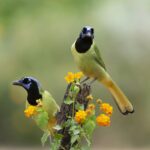
Bird sanctuaries are places where birds can find something increasingly valuable in a changing world: safe habitat.
Some protect wetlands crowded with migrating waterfowl. Others preserve forests used by nesting songbirds, islands occupied by seabird colonies, grasslands where ground-nesting species breed, or coastal mudflats where shorebirds stop to feed during migration.
For birdwatchers, these protected places can offer extraordinary opportunities to observe birds in natural surroundings. But their primary purpose is not simply to provide good birdwatching. Sanctuaries help protect the food, water, shelter, nesting sites, and resting places birds need to survive.
Understanding how these places work—and knowing how to behave when visiting them—can make birdwatching more rewarding while reducing our impact on the birds we came to see.
🐦 What Is a Bird Sanctuary?
A bird sanctuary is generally a place where birds and their habitats receive some degree of protection.
The term can describe many different kinds of places. A sanctuary might be owned by a conservation organization, managed by a government agency, protected within a park, maintained as a nature preserve, or set aside specifically because of its importance to nesting or migrating birds.
There is no single worldwide legal definition of bird sanctuary. Depending on where you live, similar areas may be called:
- Wildlife refuges
- Nature reserves
- Bird reserves
- Wildlife sanctuaries
- Conservation areas
- Wetland preserves
- National parks
- Migratory bird refuges
- Important Bird and Biodiversity Areas
Some are enormous wilderness landscapes covering thousands of acres. Others may consist of a small island, marsh, woodland, urban wetland, or protected stretch of shoreline.
What they share is habitat that birds depend upon.
It is also worth distinguishing wild-bird sanctuaries from facilities that care for captive, injured, or non-releasable birds. Wildlife rehabilitation centers and accredited animal sanctuaries perform important work, but this guide focuses primarily on protected natural areas where wild birds live, breed, feed, rest, or migrate.

🌿 Why Bird Sanctuaries Matter
Protecting birds requires protecting places.
A bird may be able to fly hundreds or even thousands of miles, but it still needs suitable habitat at every important stage of its life. Birds need places to build nests, find food, escape predators, shelter from weather, raise young, molt, overwinter, and rest during migration.
When those habitats disappear or become fragmented, bird populations can suffer.
A protected wetland, for example, can provide feeding grounds for ducks, herons, rails, shorebirds, and other water-dependent species. A mature forest may provide nesting cavities, insects, fruit, seeds, and protected nesting sites. Coastal islands may support entire colonies of nesting terns, gulls, pelicans, or other seabirds.
Bird sanctuaries help preserve these ecological relationships rather than protecting birds in isolation.
🗺️ Important Bird and Biodiversity Areas
Not every important bird habitat carries the word sanctuary in its name.
One of the largest international efforts to identify significant places for birds is BirdLife International’s Important Bird and Biodiversity Area, or IBA, program.
IBAs are identified using scientific criteria because they support birds of significant conservation importance. They can include breeding grounds, migration stopovers, wintering areas, feeding grounds, islands, forests, wetlands, grasslands, mountains, and marine environments.
More than 13,000 Important Bird and Biodiversity Areas have been identified around the world.
An IBA designation does not automatically mean that an area is legally protected. Some IBAs fall within national parks or other protected lands, while others remain vulnerable to development, habitat degradation, pollution, disturbance, or other pressures.
The program illustrates an important principle of bird conservation: protecting individual species is often impossible without also protecting the network of places those species need.

🦆 Sanctuaries Can Be Critical During Migration
Migration makes habitat protection particularly complicated.
A migratory bird may spend different parts of the year in completely different countries and travel through several others along the way. Protecting its breeding grounds alone therefore may not be enough.
Birds also need reliable stopover sites where they can rest and replenish their energy.
Wetlands, forests, coastlines, estuaries, grasslands, islands, and other habitats along migration routes can function much like rest stops along a long highway. Some birds remain for only a short period before continuing their journey, while others stay for weeks.
Loss of an important stopover can create problems far beyond the immediate area.
This is one reason wildlife refuges and other protected areas located along major migratory flyways can become spectacular birdwatching destinations during spring and fall.
Thousands—or occasionally far greater numbers—of birds may concentrate in suitable habitat at the same time.
🇺🇸 Wildlife Refuges and Bird Conservation in the United States
Bird conservation played an important role in the creation of the United States’ National Wildlife Refuge System.
Pelican Island in Florida became the country’s first national wildlife refuge in 1903, established under President Theodore Roosevelt to protect Brown Pelicans and other birds from widespread killing associated with the feather trade.
The refuge system later expanded dramatically and now includes hundreds of refuges across the United States.
Many are situated along major migratory routes or protect wetlands, coastlines, forests, prairies, deserts, islands, and other habitats important to birds.
Although national wildlife refuges protect much more than birds, birdwatching remains one of the most popular ways visitors experience them.
🌾 What Kinds of Habitats Do Bird Sanctuaries Protect?
There is no single habitat that defines a bird sanctuary.
Different birds have evolved to occupy dramatically different environments, so conservation areas can look remarkably different from one another.
Wetlands
Marshes, swamps, ponds, shallow lakes, floodplains, and other wetlands can support an exceptional variety of birds.
Depending on the region and season, visitors might encounter ducks, geese, swans, herons, egrets, rails, ibises, bitterns, kingfishers, and numerous shorebirds.
Wetlands can become especially active during migration.
Forests and Woodlands
Forests provide nesting sites, insects, seeds, fruit, shelter, and nesting cavities for countless species.
Warblers, vireos, thrushes, woodpeckers, owls, hawks, flycatchers, and many other birds may depend upon forest habitat during at least part of their lives.
Different birds may require very different kinds of forest, from mature woodland to young forest or specialized mountain habitats.
Grasslands
Grasslands can appear deceptively simple, but they support their own specialized bird communities.
Meadowlarks, sparrows, grouse, prairie-chickens, longspurs, harriers, and other species may depend on open landscapes that are increasingly vulnerable to conversion or fragmentation.
Beaches and Coastal Areas
Beaches, dunes, mudflats, salt marshes, estuaries, and coastal islands can provide essential breeding and feeding habitat.
Plovers, sandpipers, oystercatchers, terns, gulls, skimmers, pelicans, and other coastal birds may gather in impressive numbers.
These habitats can also be especially sensitive to human disturbance because some birds nest directly on beaches or open ground.
Islands and Seabird Colonies
Remote islands may provide nesting habitat for enormous seabird colonies.
Birds that spend much of their lives at sea often return to land specifically to breed. Protecting nesting islands from disturbance, introduced predators, and habitat damage can therefore be extremely important.
Urban Sanctuaries
Not every valuable bird habitat lies far from civilization.
Urban parks, wetlands, river corridors, botanical gardens, reservoirs, and wooded preserves can become important pockets of habitat surrounded by developed areas.
For people living in cities, these places can provide remarkable opportunities to experience migration and discover just how many birds share the urban landscape.

🔭 Why Bird Sanctuaries Are Wonderful Places for Birdwatching
Protected habitat often produces better birdwatching because the landscape itself has been preserved for wildlife.
Instead of simply hoping a bird appears, visitors can explore environments where particular groups of birds are naturally likely to occur.
A wetland boardwalk might bring you within viewing distance of herons and ducks. A forest trail may be alive with spring warblers. A coastal preserve can reveal feeding shorebirds at low tide. A migration hotspot might produce dozens of species during a single morning.
Sanctuaries can also make birdwatching easier for beginners because many provide:
- Marked trails
- Observation platforms
- Wildlife blinds
- Habitat information
- Bird checklists
- Visitor centers
- Guided walks
- Seasonal sightings information
- Educational programs
If you’re still learning how to recognize the birds you encounter, our Bird Identification Guide can help you use size, shape, plumage, habitat, behavior, and other clues to narrow down an identification.
📅 When Is the Best Time to Visit?
There is no universal best time to visit a bird sanctuary.
The ideal season depends on where the sanctuary is located and what birds you hope to see.
Spring
Spring can be spectacular in areas along migration routes. Songbirds may arrive in colorful breeding plumage, while resident species begin courtship and nesting.
Birdsong is often especially noticeable during this season.
Summer
Summer offers opportunities to see breeding birds, family groups, and recently fledged young.
It is also a time when visitors need to be particularly careful around nesting areas.
Fall
Fall migration can bring another surge of birds through important stopover habitats.
Shorebirds, waterfowl, hawks, songbirds, and other migrants may pass through at different times throughout the season.
Winter
Winter can be outstanding for waterfowl, raptors, gulls, owls, and other species depending on location.
Some refuges host enormous seasonal gatherings of geese, ducks, cranes, or other birds.
Even within the same season, timing matters. Birds are frequently most active during the first few hours after sunrise, although wetlands and shorelines may also be influenced strongly by tides and weather.
🎒 What to Bring to a Bird Sanctuary
Birdwatching does not require a huge amount of equipment.
A few simple items can make a sanctuary visit much more enjoyable:
- Binoculars
- Field guide or bird identification app
- Water
- Weather-appropriate clothing
- Comfortable walking shoes
- Sunscreen
- Insect repellent where appropriate
- Notebook or birding journal
- Camera with a suitable lens
- Small backpack
- Sanctuary map
A spotting scope can be particularly useful in wetlands and coastal areas where birds may remain far from trails or observation platforms.
Before leaving home, check the sanctuary’s official website for current hours, trail closures, entrance fees, accessibility information, seasonal restrictions, and special regulations.
🤫 How to Visit a Bird Sanctuary Responsibly
The best birdwatchers learn to observe without becoming part of the action.
Birds have their own routines to follow. They need to feed, defend territories, care for young, avoid predators, rest, and conserve energy. Continually forcing a bird to react to people can interfere with those behaviors.
Fortunately, responsible birdwatching is relatively simple.
Keep Your Distance
Watch for signs that a bird is becoming uncomfortable.
A bird that repeatedly looks toward you, stops feeding, gives alarm calls, changes direction, moves away, or flies off may be responding to your presence.
If that happens, increase your distance.
Binoculars and telephoto lenses exist for a reason: they allow us to experience wildlife without needing to stand beside it.
Stay on Designated Trails
Leaving trails may damage vegetation, disturb concealed birds, or bring you unexpectedly close to nests.
Ground-nesting birds can be particularly difficult to see before you are already too close.
If a sanctuary has closed an area, respect the closure even when the trail ahead appears harmless.
The birds may know something is happening there that you cannot see.
🪺 Be Especially Careful Around Nests
Nesting season deserves extra caution.
A nest may be fascinating, but getting closer for a photograph can cause adult birds to become agitated or temporarily leave. Repeated disturbance can also attract attention to an otherwise well-hidden nest.
Never touch a nest, eggs, or chicks.
Do not break or move branches to improve your view. Avoid standing in a place that prevents an adult from returning to its nest, and never attempt to make chicks move for a photograph.
Beach-nesting birds deserve particular care because their nests and chicks can be almost invisible against sand, shells, and gravel.
Ropes, signs, fencing, and seasonal closures are there for a reason. Give these areas generous space.
📱 Use Bird-Call Playback Sparingly—or Not at All
Bird identification apps make it easy to play almost any bird song through a phone.
That does not necessarily mean you should.
A territorial bird may interpret a recording as an intruder. Instead of feeding, resting, or caring for young, it may spend time searching for and responding to an opponent that does not exist.
The American Birding Association recommends limiting recordings and other methods of attracting birds, particularly around rare, threatened, endangered, or heavily watched species.
Some parks and protected areas prohibit playback entirely.
Listening to recordings through headphones to learn bird songs is very different from broadcasting them into the habitat.
When in doubt, enjoy the birds that reveal themselves naturally.
📷 Practice Responsible Bird Photography
A great photograph is never worth frightening a bird.
Use a telephoto lens and allow birds enough space to continue behaving normally. Avoid deliberately flushing a bird into flight and be especially cautious around nests, roosts, feeding areas, and breeding colonies.
Do not rearrange vegetation around nests to create a cleaner photograph.
Drones can be particularly disruptive around birds and may be prohibited in the protected area you are visiting.
Photographers should also think carefully before publicly sharing the precise locations of rare birds, nests, owls, roosts, or other sensitive wildlife. A location that handled one quiet observer may not handle dozens of visitors responding to a social-media post.
The bird’s welfare should always come before the photograph.

🚫 Never Cross Closures for a Better View
Protected areas sometimes close trails, beaches, islands, observation areas, or sections of habitat.
The reason may not be obvious.
A seemingly empty stretch of beach could contain camouflaged eggs. A quiet island might hold a nesting colony. A temporary trail closure could protect an active raptor nest.
Crossing a rope or ignoring a sign because you cannot immediately see birds defeats the purpose of the protection.
Responsible birdwatching means trusting the people managing the habitat.
🍞 Don’t Feed Wildlife Unless the Site Allows It
Feeding ducks, geese, gulls, and other wild birds may appear harmless, but many sanctuaries prohibit wildlife feeding.
Human food can be nutritionally inappropriate, and repeated feeding can alter natural behavior, concentrate animals in small areas, create sanitation problems, or cause birds to associate people with food.
Follow the rules of the sanctuary rather than assuming that a practice acceptable at home is also appropriate in a protected area.
For bird feeding around your own home, visit our Backyard Birding Guide for information on feeders, habitat, water, and creating a safer space for visiting birds.
🐕 Follow the Rules About Dogs
Dogs and birds do not always mix well in wildlife habitat.
Even a friendly dog may be perceived as a predator by nesting or feeding birds. Some protected areas prohibit pets completely, while others require dogs to remain leashed.
These restrictions can be especially important on beaches, around wetlands, and in habitats used by ground-nesting birds.
Always check the sanctuary’s rules before bringing a pet.
🌎 Bird Sanctuaries Protect More Than Birds
A place protected for birds rarely benefits birds alone.
Wetlands may support frogs, fish, dragonflies, turtles, and aquatic plants. Forest preserves shelter mammals, insects, fungi, and wildflowers. Grasslands support pollinators and other wildlife. Coastal habitats protect marine life as well as birds.
Healthy habitats can also provide benefits to surrounding communities through flood protection, clean water, recreation, education, and preservation of natural landscapes.
Birds can therefore serve as powerful ambassadors for something much larger: entire ecosystems.
Protect the place a bird needs, and you often protect an extraordinary collection of other living things along with it.
❤️ How Visitors Can Help Bird Sanctuaries
Visiting responsibly is already a form of support, but birdwatchers can contribute in other ways.
Many refuges, Audubon centers, nature preserves, and conservation organizations rely on volunteers for habitat restoration, bird surveys, invasive-plant removal, visitor education, trail work, and other projects.
Visitors may also be able to:
- Join guided bird walks
- Participate in bird counts
- Contribute observations to citizen-science projects
- Support local conservation organizations
- Volunteer at protected areas
- Donate to habitat projects
- Follow and promote ethical birdwatching practices
- Learn about threats facing local birds
- Introduce new birdwatchers to responsible wildlife observation
Even something as simple as learning the birds around you can create a stronger connection with the habitats they need.
Browse our Bird Species Guide to explore more of the remarkable diversity found within the bird world.

🌅 A Different Kind of Birdwatching Experience
There is something special about entering a landscape that has been protected largely because wildlife needs it.
Perhaps a flock of sandpipers rises suddenly from a mudflat.
A heron stands perfectly still among the reeds.
Warblers flicker through newly leafed trees during migration.
Thousands of geese lift from a marsh at sunrise.
Or perhaps almost nothing happens at all for twenty minutes—until one unfamiliar call comes from somewhere deep in the forest.
Bird sanctuaries remind us that birdwatching is not simply about collecting sightings.
It is about paying attention to the places birds inhabit.
And when we protect those places and visit them thoughtfully, we help ensure that future birdwatchers will still have something extraordinary to discover.
❓ Bird Sanctuary FAQ
What is the purpose of a bird sanctuary?
A bird sanctuary protects habitat used by birds for activities such as nesting, feeding, resting, migration, and overwintering. Many sanctuaries also protect other wildlife and plants living within the same ecosystem.
Are bird sanctuaries the same as wildlife refuges?
Not necessarily. Bird sanctuary is a broad term, while wildlife refuge may refer to a specific type of protected area established under local or national laws. A wildlife refuge can function as an important bird sanctuary even when birds are not the only wildlife it protects.
Can anyone visit a bird sanctuary?
Many bird sanctuaries are open to visitors, but access varies. Some habitats may have seasonal closures or areas permanently closed to protect nesting, roosting, or sensitive species. Always check the property’s rules before visiting.
What is the best time of day for birdwatching?
Early morning is often excellent because many birds are actively feeding and singing. However, the best time depends on the species and habitat. Raptors may become more active as daytime temperatures create rising air currents, while shorebird viewing can depend heavily on the tides.
Can I photograph birds in a sanctuary?
Usually, but the rules vary by location. Maintain a respectful distance, avoid disturbing nests, obey closures, and never force a bird to move simply to create a photograph.
Should I play bird calls to attract birds?
Playback can disturb birds, particularly territorial or nesting individuals. Some protected areas prohibit it. The safest approach is to allow birds to appear naturally and use recordings privately for identification or learning.
Why are some areas closed during nesting season?
Temporary closures give birds space to establish nests, incubate eggs, feed chicks, and raise young without repeated disturbance from people or pets. Ground- and beach-nesting species can be particularly vulnerable.
What should I do if I find a bird nest?
Observe it from a generous distance and leave it alone. Avoid touching vegetation around it, repeatedly approaching it, or revealing the exact location publicly if doing so could attract additional visitors.
🔗 Related Articles
- Bird Identification: How to Identify the Birds You See
- Backyard Birding: How to Attract, Feed & Enjoy Birds at Home
- Bird Species Guide
- Bird Feeding
📚 Sources
- U.S. Fish & Wildlife Service — America’s Birdiest Places
- BirdLife International — Important Bird and Biodiversity Areas
- BirdLife International — Protecting the Most Important Habitats for Birds
- American Birding Association — ABA Code of Birding Ethics
- Audubon — Guide to Ethical Bird Photography and Videography