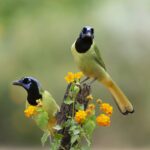
When temperatures drop below freezing and snow begins covering the ground, it’s natural to wonder what happens to the birds that spend their days visiting your backyard. Chickadees, cardinals, sparrows, and woodpeckers may seem perfectly comfortable hopping through icy branches and searching for food, but where do they go when darkness falls?
Unlike humans, birds don’t have heated houses or cozy blankets to keep them warm. Instead, they rely on carefully chosen sleeping locations, insulating feathers, and remarkable adaptations that help them survive long winter nights.
Most birds sleep in sheltered places called roosts. Depending on the species, these may include tree cavities, dense evergreen branches, thick shrubs, protected ledges, or specialized roosting boxes. Some birds sleep alone, while others gather together for warmth or protection.
Understanding where birds sleep in winter reveals just how resourceful these small creatures are. It can also help you create a backyard that offers more than food, providing valuable shelter when temperatures become dangerously cold.
🌙 Where Do Birds Go at Night in Winter?
Most birds spend winter nights in protected locations that reduce their exposure to wind, precipitation, and predators. Ornithologists call these nighttime resting places roosts.
A roost doesn’t have to be a nest or an enclosed cavity. For some birds, a sheltered branch deep inside an evergreen tree provides enough protection. Others seek holes in trees, spaces beneath loose bark, or dense vegetation close to the ground.
The location depends on the species, available habitat, and weather conditions.
Birds that normally live in forests often take advantage of natural cavities and thick vegetation. Backyard species such as Northern Cardinals and House Sparrows may spend the night among dense branches, while chickadees and woodpeckers frequently use more enclosed shelters.
Some birds return to familiar roosting locations night after night. Others change sleeping places depending on weather, food availability, or disturbances.
Although winter nights are challenging, birds are remarkably good at finding small spaces where conditions are more favorable than in the surrounding open air.
A sheltered location that blocks the wind can make a significant difference in how much energy a bird must expend to stay warm.
🌳 Birds Sleep in Tree Cavities
Tree cavities are among the most valuable winter sleeping locations for many North American birds.
These small openings provide protection from wind, snow, and rain. They also reduce exposure to the open sky and may help birds conserve body heat during cold nights.
Chickadees, nuthatches, woodpeckers, and some bluebirds are particularly associated with cavity roosting.
Black-capped Chickadees often sleep alone in small tree cavities, even during extremely cold weather. According to the Cornell Lab of Ornithology, these birds may excavate their own cavities in soft or decaying wood.
Carolina Chickadees also commonly use cavities outside the breeding season, including natural openings and holes created by woodpeckers.
Woodpeckers have an advantage because many species can excavate their own roosting cavities. A Downy Woodpecker, for example, may spend the night inside a protected hole rather than exposed on a branch.
Some birds also reuse cavities that were originally created for nesting. Once a woodpecker has finished using a hole, another species may eventually take advantage of the shelter.
This is one reason mature trees and standing dead trees can be so important to wildlife. They provide natural openings that younger trees may lack.
Of course, dead trees should only be retained where they don’t present a safety hazard to people, buildings, or nearby structures.
For more about one familiar cavity-using species, see our Downy Woodpecker guide.
🌲 Evergreen Trees Provide Important Winter Shelter
Not every bird can find a suitable tree cavity, and many species normally sleep among branches instead.
Evergreen trees are especially valuable because they retain their needles or foliage throughout winter.
Pines, spruces, firs, cedars, and junipers can provide dense cover that protects birds from wind, precipitation, and predators.
A small bird may choose a branch deep inside the tree, where the surrounding foliage creates a more sheltered environment than an exposed perch.
Cardinals, sparrows, jays, and other songbirds often use protected branches for nighttime roosting.
The Cornell Lab of Ornithology notes that birds sleeping on branches may select locations close to the trunk, particularly on the side most protected from wind and rain.
This helps explain why a tree that looks relatively quiet during the day may provide shelter for several birds at night.
Evergreens also offer protection during winter storms. Their dense branches can reduce exposure to blowing snow and freezing rain, allowing birds to remain relatively sheltered until conditions improve.
If you’re planning a bird-friendly landscape, including native evergreen trees or shrubs suited to your region can provide year-round benefits.
🌿 Some Birds Sleep in Thick Shrubs and Brush
Dense shrubs, hedges, and tangled vegetation offer another important type of winter shelter.
Birds that prefer staying close to the ground may use these areas to avoid exposure to open, windy spaces.
Dark-eyed Juncos, sparrows, wrens, and other small birds often seek protection among low vegetation, dense branches, and other sheltered areas.
Carolina Wrens, for example, may use sheltered nooks, cavities, and suitable nest boxes during cold weather. Their small size allows them to take advantage of protected spaces that larger birds cannot easily enter.
A thick hedge can also provide cover from nighttime predators.
The interior of dense vegetation is often calmer than the surrounding yard because branches and foliage reduce the movement of wind.
This doesn’t mean every shrub provides equally good protection. A sparse ornamental bush may offer much less shelter than a dense native evergreen or a thicket with several layers of vegetation.
Leaving some brushy areas undisturbed during winter can therefore benefit birds.
A perfectly cleaned-up yard may look tidy, but removing every fallen branch, dried stem, and patch of vegetation can eliminate useful wildlife shelter.
🐦 Do Birds Sleep Together to Stay Warm?
Some birds do sleep together during winter, although the behavior varies considerably between species.
Sharing a sheltered space can reduce individual heat loss, particularly when several small birds huddle close together.
Eastern Bluebirds are known to gather inside tree cavities or nest boxes during cold weather. Multiple birds may occupy the same shelter overnight, conserving warmth by roosting close to one another.
Pygmy Nuthatches are another striking example. These small western birds sometimes gather in substantial groups inside tree cavities during cold nights.
Even birds that normally maintain separate spaces may occasionally use communal shelter under appropriate circumstances.
However, not all small birds huddle together.
Black-capped Chickadees typically sleep individually, despite spending much of winter traveling in social flocks.
It’s also important to distinguish small birds sharing an enclosed cavity from large communal roosts.
Crows, blackbirds, and starlings may gather in large numbers to sleep, sometimes forming impressive evening gatherings. These communal roosts can provide social and predator-related benefits, but conserving body heat isn’t necessarily the primary reason they assemble.
The winter sleeping habits of birds are wonderfully varied, and two species that spend the day feeding together may use completely different nighttime shelters.
❄️ Some Birds Actually Sleep Beneath the Snow
Snow may seem like the last place a bird would want to sleep, but certain species use it as insulation.
Ptarmigan, which inhabit cold northern and mountainous regions, are particularly well adapted to this behavior.
These birds can dig into deep, soft snow and create sheltered chambers beneath the surface.
Although snow feels cold to us, it contains trapped air that can provide insulation against even colder temperatures and strong winds.
A bird resting beneath suitable snow cover may therefore experience less severe conditions than one exposed to the open air.
Ruffed Grouse can also use deep, powdery snow for nighttime shelter in parts of their northern range.
This behavior isn’t typical of most small backyard songbirds. Chickadees, cardinals, and finches generally rely on vegetation, cavities, and other aboveground shelters.
Still, it demonstrates the remarkable variety of strategies birds use to survive winter.
🦆 Where Do Ducks and Other Waterbirds Sleep in Winter?
Waterbirds have their own approaches to nighttime shelter.
Ducks and geese may rest on the water, often gathering in sheltered areas where conditions are relatively calm.
Protected bays, ponds, marshes, and other bodies of water can provide resting locations, depending on the species and whether suitable open water is available.
Some ducks sleep while floating, while others rest along shorelines or in protected vegetation.
Many waterbirds can also rest with one side of the brain more alert than the other, a specialized form of sleep that helps them remain aware of potential danger.
Herons and other wading birds may choose sheltered locations near water, sometimes among vegetation that provides protection from wind.
Frozen ponds and lakes can change where these birds gather during winter, and some species move to areas with more reliable open water.
Unlike the small songbirds visiting backyard feeders, waterbirds may travel considerable distances between daytime feeding areas and nighttime resting locations.
🪹 Do Birds Sleep in Their Nests During Winter?
One of the most common misconceptions about birds is that they return to their nests every night.
In reality, most birds don’t use nests as permanent bedrooms.
Nests are primarily structures used for laying eggs, incubating them, and raising young. Once the breeding season ends, many birds stop using their nests.
Instead, they choose separate nighttime roosts.
A robin that built a nest in your yard during spring probably isn’t returning to that open cup-shaped structure every cold winter night.
Exposed nests generally provide much less protection than tree cavities, dense vegetation, or other sheltered locations.
However, there are exceptions. Some species use enclosed nests, nest cavities, or nesting structures for shelter outside the breeding season.
Cavity-nesting birds may also use the same tree holes or nest boxes for winter roosting, even though they aren’t actively nesting.
The important distinction is that nesting and roosting are different activities, even when the same location can serve both purposes.
🏠 Will Birds Sleep in Birdhouses During Winter?
Yes, some birds will use birdhouses or nest boxes during winter.
A nest box can provide shelter from wind, snow, and rain, making it attractive to certain cavity-using species.
Bluebirds, chickadees, nuthatches, titmice, and small woodpeckers may use suitable boxes outside the breeding season.
However, a traditional birdhouse isn’t necessarily the ideal winter roost.
Many nest boxes are designed for breeding birds rather than groups gathering overnight. They may have ventilation openings that release heat or lack suitable surfaces for multiple birds to perch inside.
The Cornell Lab of Ornithology recommends specially designed roost boxes for people who want to provide additional winter shelter.
A winter roost box generally differs from a nest box in several ways. It may have an entrance positioned lower on the structure to reduce heat loss, fewer ventilation openings, and interior perches that allow multiple birds to settle inside.
Some birdhouses can be modified for winter use, but the modifications should follow established bird-safe designs.
If you already have a nest box, you can leave it available after the breeding season. Clean it according to appropriate nest-box maintenance guidance and avoid disturbing birds that are actively using it.
Remember that not every bird will choose a box, even when one is available. Suitable natural habitat remains essential.
🪶 How Do Birds Stay Warm While Sleeping?
Finding shelter is only part of the challenge. Birds also rely on remarkable physical adaptations to conserve heat.
Their feathers are one of the most important defenses against cold.
When temperatures fall, birds fluff their feathers to trap additional air between the layers. This creates insulation that slows the loss of body heat.
That’s why chickadees, cardinals, and other familiar winter birds sometimes look noticeably rounder during freezing weather.
They haven’t necessarily gained weight. They’re increasing the insulating space within their plumage.
Birds may also tuck their heads into their shoulder feathers, crouch over their legs, or pull one foot into their body feathers to reduce exposed surface area.
Some species can lower their body temperature during cold nights, reducing the difference between their bodies and the surrounding air and conserving energy.
Chickadees are particularly well known for their ability to reduce nighttime body temperature under certain conditions.
Even with these adaptations, keeping warm requires considerable energy.
A small bird may spend much of the following morning replacing calories used to survive the previous night.
Our How Do Birds Survive Winter? How Birds Stay Warm & Find Food guide explores these adaptations in greater detail.
🌨️ What Happens to Sleeping Birds During Snowstorms?
When a winter storm arrives, birds generally seek the most protected locations available.
A tree cavity provides excellent shelter for a species accustomed to using one, while birds that normally perch among branches may retreat deeper into dense vegetation.
Even a relatively small change in location can make a difference.
A branch close to a tree trunk may offer more protection than one extending into the open. A thick evergreen hedge can reduce exposure to blowing snow, while a natural cavity provides shelter on several sides.
Strong winds are especially challenging because they can increase heat loss.
Snow and freezing rain may also make food more difficult to find the following morning, creating an additional problem for birds that have already used considerable energy overnight.
Some birds seek shelter earlier when severe weather approaches. Others remain in protected locations for longer periods while conditions are unfavorable.
If you’re worried about backyard birds during a storm, the best approach is usually to leave their shelter undisturbed.
Avoid shaking snow-covered bushes, removing branches, or investigating potential roosting cavities at night.
Birds depend on conserving energy, and unnecessary disturbance can force them to leave a protected location.
🌻 Why Is Food Important Before Birds Go to Sleep?
Finding a safe sleeping location is essential, but birds also need enough stored energy to survive the night.
During daylight hours, small songbirds spend considerable time searching for food. Seeds, insects, berries, nuts, and other foods provide the calories they need to maintain body temperature.
As winter days become shorter, birds have fewer daylight hours available for feeding.
At the same time, cold nights increase the energy required to remain warm.
This creates a difficult balance.
A chickadee may spend much of the day feeding and storing food, then retreat to a protected cavity after sunset. During the night, it must rely on energy obtained earlier because it generally cannot continue foraging in darkness.
Some birds also cache food, hiding seeds or other items that can be recovered later.
Backyard feeders can provide supplemental food during difficult conditions, particularly when snow or ice makes natural resources less accessible.
Black-oil sunflower seeds, suitable suet products, and other high-energy foods are popular with many winter feeder birds.
However, wild birds generally obtain food from multiple locations, and natural habitat remains more important than any single backyard feeder.
For feeding ideas, see our Bird Feeders 101: How to Choose the Perfect Feeder for Your Backyard.
🏡 How to Help Birds Find Safe Winter Shelter
One of the best things you can do for winter birds is provide suitable habitat rather than focusing only on feeders.
Trees, shrubs, native plants, and natural cavities create protected places where birds can rest during storms and spend cold nights.
Evergreen vegetation is particularly valuable because it offers year-round cover. Dense native shrubs can shelter small birds close to the ground, while mature trees provide branches and cavities for species that prefer higher roosts.
Leaving some fallen branches and brush in suitable areas can also create protected spaces. Brush piles should be placed where they won’t create hazards or encourage predators to ambush birds at feeders.
If you have a safe location for one, a properly designed winter roost box may provide additional shelter for cavity-using species.
Mount the box securely, protect it from predators, and choose a location sheltered from prevailing winter winds. Cornell also recommends considering winter sunlight when positioning roost boxes.
Avoid disturbing occupied roosting boxes or tree cavities, particularly after dark.
Providing clean water is another way to make your backyard more useful during winter. A bird bath equipped with an appropriate outdoor-rated heater can maintain access to unfrozen water when natural sources are covered with ice.
Our Creating Your Own Oasis: The Benefits of Having a Bird Bath in Your Garden guide explains how water can attract and support a wider variety of birds.
Finally, keep pet cats indoors or safely contained. A sheltered backyard is only beneficial when birds can use it without unnecessary exposure to predators.
🌿 Should You Leave Your Garden Standing Through Winter?
A garden doesn’t have to look completely bare and tidy during winter.
In fact, leaving some natural vegetation can provide valuable habitat for birds and other wildlife.
Seed-bearing flowers, native grasses, and dried plant stems can provide food. Fallen leaves and plant debris shelter insects and other invertebrates that birds may search for during the colder months.
Dense shrubs and evergreen plants offer places to rest during daylight and may provide nighttime shelter as well.
Instead of cutting back every plant in autumn, consider leaving suitable native perennials and grasses standing until spring.
A patch of coneflowers, asters, goldenrods, or other seed-producing plants may continue providing food long after the flowers have faded.
Native trees and shrubs with persistent winter fruit can be especially useful because they combine natural food with protective cover.
Even a small garden can offer several layers of habitat when it includes plants of different heights and structures.
The goal isn’t to create an untidy or unsafe landscape. It’s to recognize that natural winter vegetation supports wildlife in ways that a closely clipped lawn cannot.
❓ Frequently Asked Questions
Where do cardinals sleep in winter?
Northern Cardinals generally sleep in sheltered vegetation, including dense shrubs and evergreen trees. They may choose branches close to the trunk or locations protected from prevailing winds. Cardinals don’t usually rely on enclosed nesting cavities in the same way chickadees and woodpeckers do.
Where do chickadees sleep in winter?
Black-capped Chickadees commonly sleep alone in small tree cavities, including holes in decaying wood. Carolina Chickadees also often use cavities, although some may sleep among sheltered branches. These protected locations help reduce exposure to cold winds and precipitation.
Where do sparrows sleep when it’s freezing?
Sparrows frequently roost in thick shrubs, hedges, evergreen foliage, and other sheltered vegetation. Depending on the species, they may sleep alone or near other birds. Dense cover helps protect them from wind and nighttime predators.
Do birds sleep in the same place every night?
Some birds regularly return to familiar roosting locations, while others change sleeping places depending on weather, predators, or habitat conditions. The behavior varies between species and individuals.
Can birds freeze to death while sleeping?
Yes. Although birds have excellent adaptations for surviving cold weather, severe conditions can still be deadly. Small birds are particularly vulnerable when they cannot obtain enough food to replace the energy needed for warmth. Shelter, insulation, and adequate food resources all contribute to winter survival.
Do birds sleep together in birdhouses?
Some species do. Bluebirds and certain other cavity-using birds may gather in a suitable nest box or roost box during winter. However, not every species sleeps communally, and ordinary birdhouses aren’t always designed to accommodate groups.
Why don’t birds fall off branches when they sleep?
Perching birds have specialized tendons and foot structures that help their toes grip branches securely. Their feet can maintain a firm grasp while the birds rest, reducing the effort needed to remain perched through the night.
Do birds sleep during snowstorms?
Yes. Birds still need rest during severe weather, but they generally seek protected locations such as tree cavities, dense evergreens, and sheltered branches. Some species may remain in cover longer when conditions are particularly harsh.
Should I put blankets or nesting material in a birdhouse for winter?
Generally, no. Blankets, fabric, and improvised nesting materials can retain moisture or create other problems. Use a properly designed roost box and follow established birdhouse maintenance guidelines. If modifications or nesting materials are appropriate for a particular species and box, follow expert instructions rather than adding household materials.
Do all birds sleep at night?
No. Most familiar backyard songbirds are active during the day and rest at night, but nocturnal species such as many owls are active after dark. Some birds also adjust their resting patterns depending on feeding opportunities and environmental conditions.
🏡 Final Thoughts
Birds have an impressive ability to survive winter nights, even when temperatures fall far below freezing.
Some species retreat into tree cavities, while others settle deep among evergreen branches or dense shrubs. Certain birds huddle together for warmth, and a few even take advantage of the insulating properties of snow.
Their feathers, metabolism, and behavior work together to conserve energy through the long hours of darkness.
For backyard birdwatchers, understanding these habits offers a new perspective on winter wildlife. The chickadee that visits your feeder in the morning may have spent the night alone inside a tiny tree cavity. The cardinal perched among snowy branches may have emerged from the shelter of a nearby evergreen.
Providing natural vegetation, mature trees, suitable roosting spaces, and responsible supplemental food can help make your yard a more welcoming place for winter birds.
And the next time you look outside on a freezing winter evening and wonder where the birds have gone, remember that many of them are still nearby, tucked into sheltered places and waiting for another winter morning.
🔗 Related Articles
- How Do Birds Survive Winter? How Birds Stay Warm & Find Food
- Mountain Chickadee: Identification, Behavior & Winter Survival
- Downy Woodpecker
- Bird Feeders 101: How to Choose the Perfect Feeder for Your Backyard
- Why Aren’t Birds Coming to My Feeder? Common Reasons and How to Attract Them
- Creating Your Own Oasis: The Benefits of Having a Bird Bath in Your Garden
📚 Sources & Further Reading
- Cornell Lab of Ornithology — How Do Birds Survive the Winter?
- Cornell Lab of Ornithology — What Do Small Birds Do in a Storm?
- Cornell Lab of Ornithology — Attract Birds With Roost Boxes
- Cornell Lab of Ornithology — Will Birds Use Nest Boxes to Roost in Winter?
- Cornell Lab of Ornithology — Black-capped Chickadee
- National Audubon Society — How Do Birds Spend Cold Winter Nights?
- National Audubon Society — How Do Birds Cope With Cold Winter Weather?
- National Audubon Society — Snow Caves Keep Ptarmigans Cozy on Cold Winter Nights